House I5
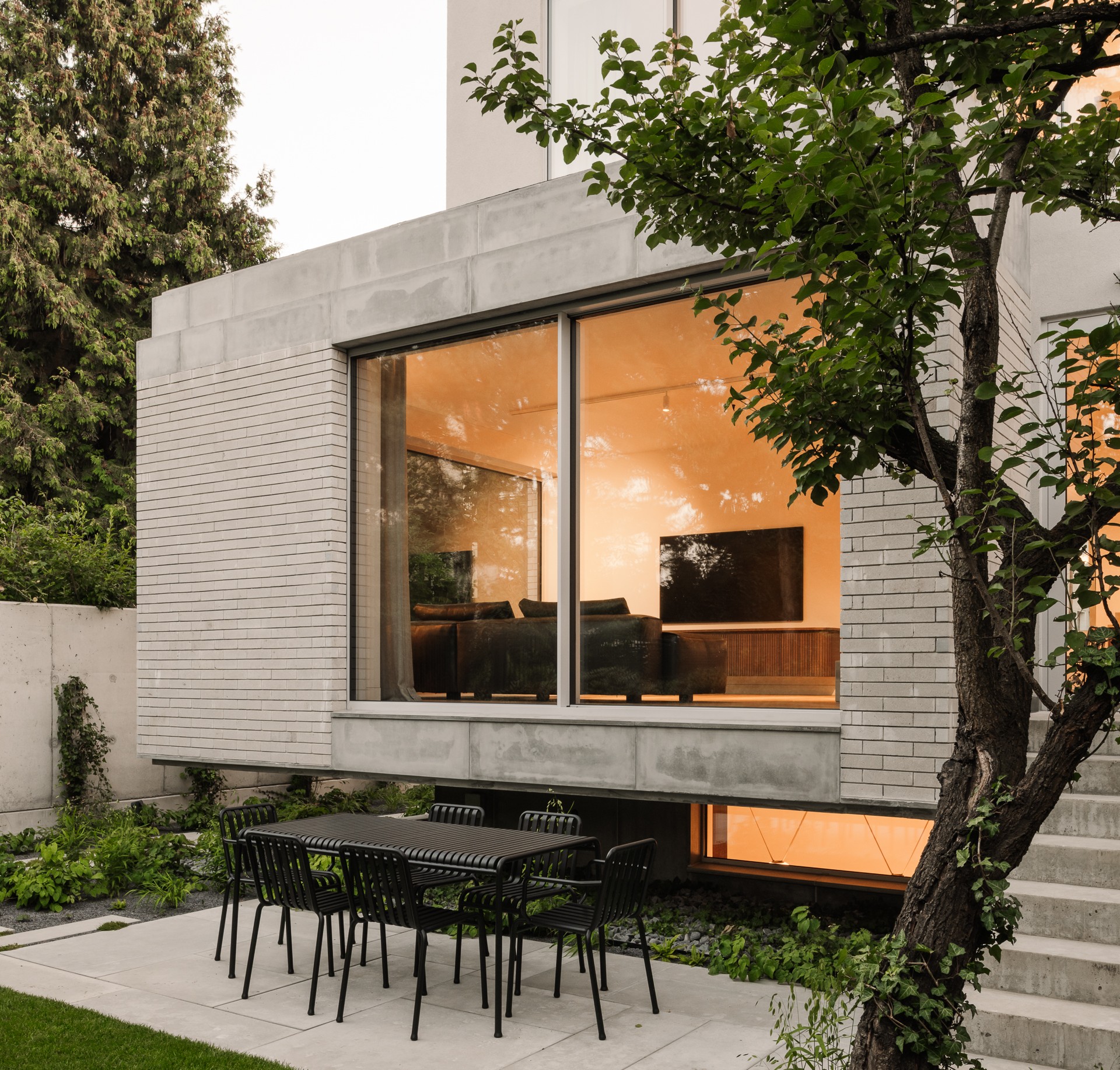 reconstruction of a single-family house in twin housing from 1970’s
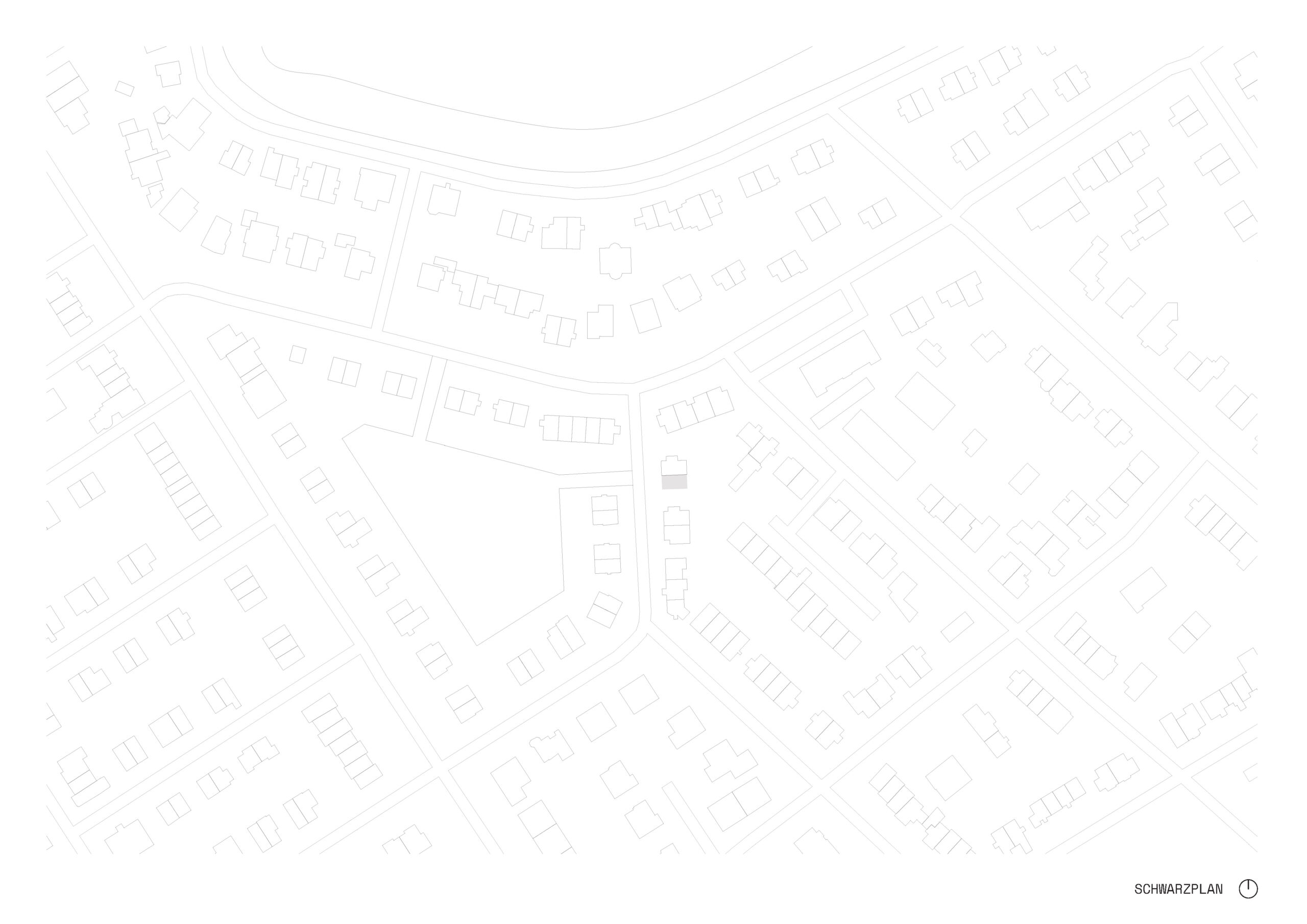
The subject of the project is the reconstruction of a single-family house in twin housing from the 1970s, located on a small plot in a quiet and green district of Warsaw. The project arose from the necessity to adapt the structure of the existing building to the client’s individual needs. The previous house was too small and non-functional.
To begin construction work, it was necessary to obtain permits from the relevant authorities. Despite the lack of direct conservation protection over the building, the land on which it stands is protected. This influenced some of our design decisions.
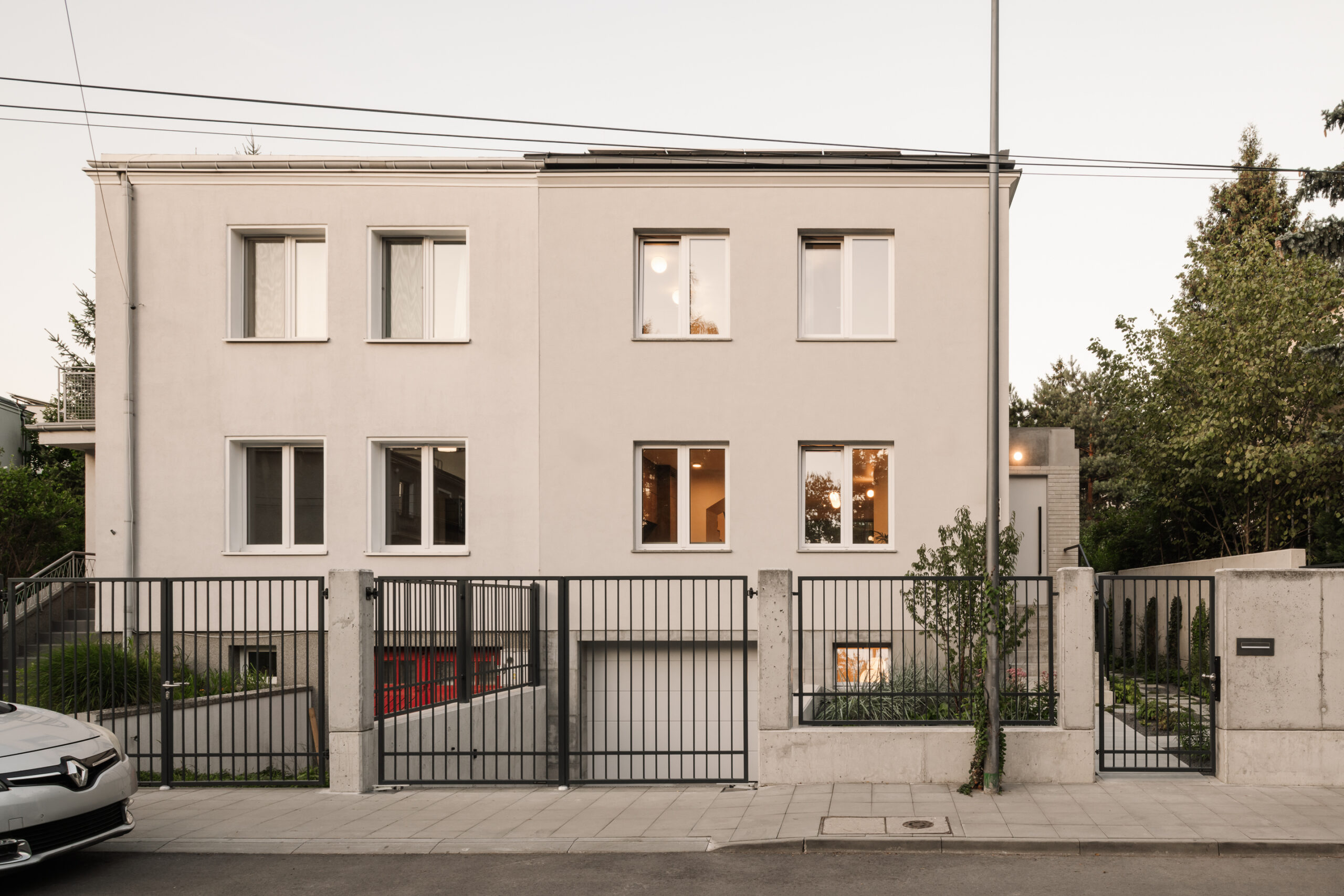
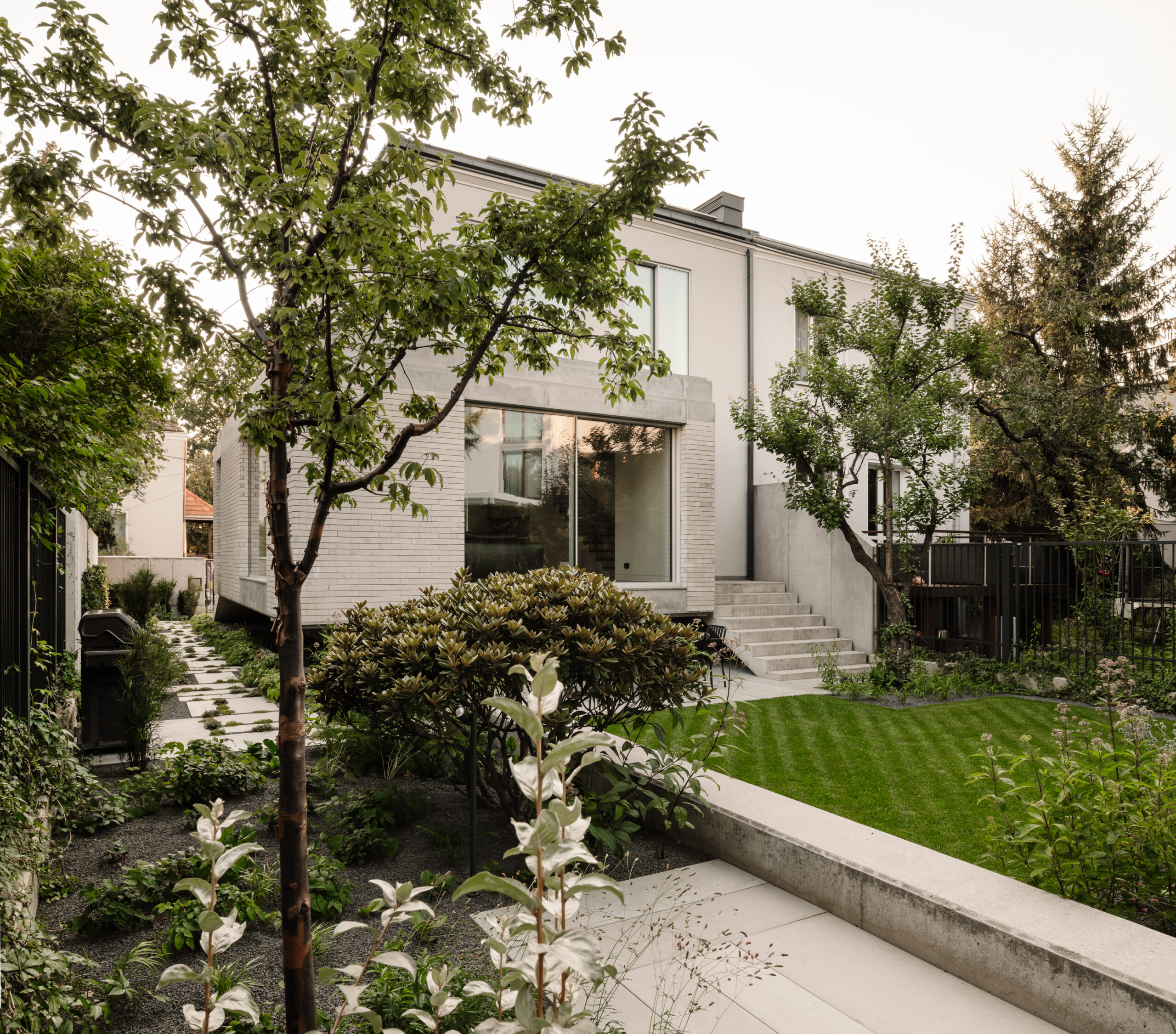
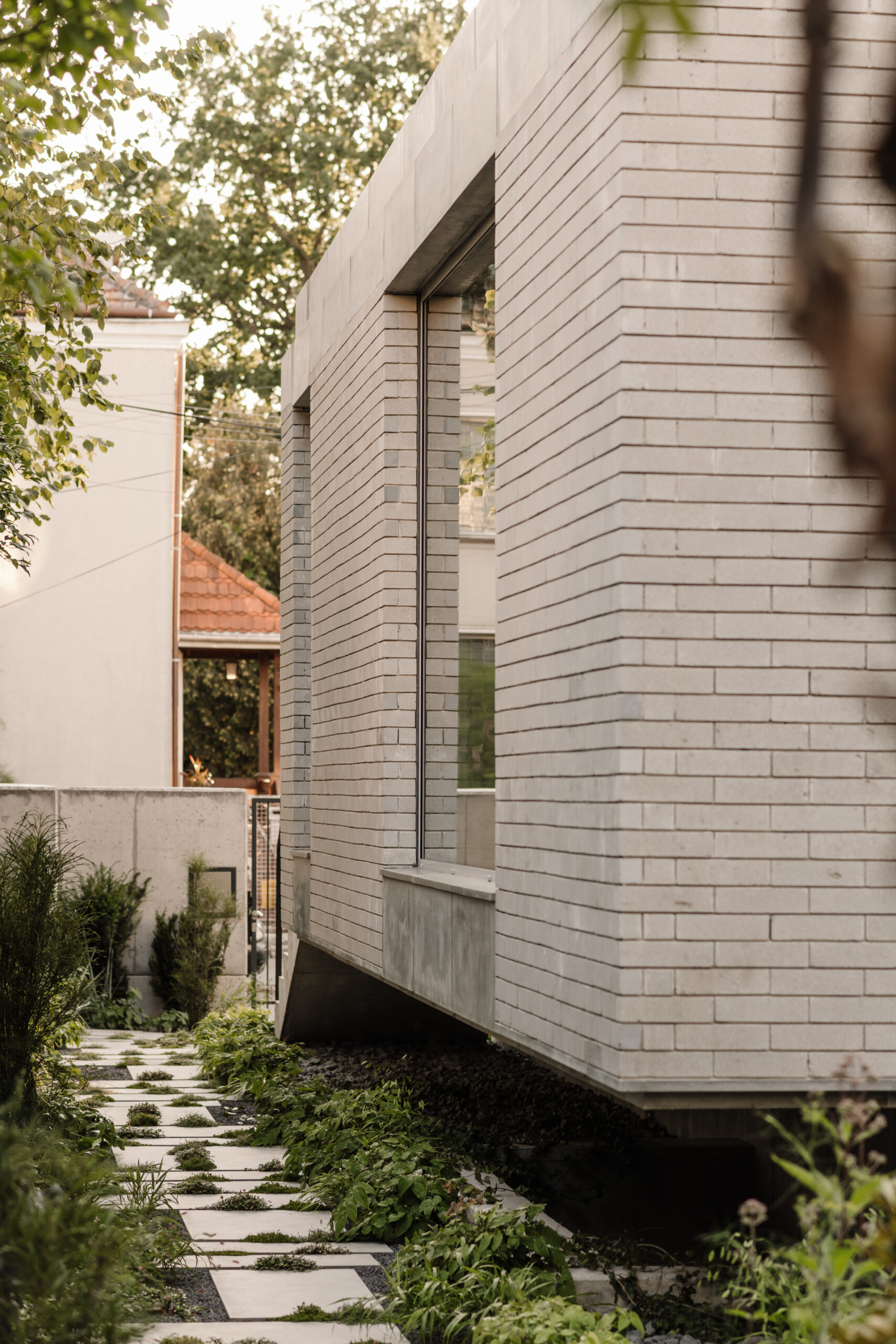
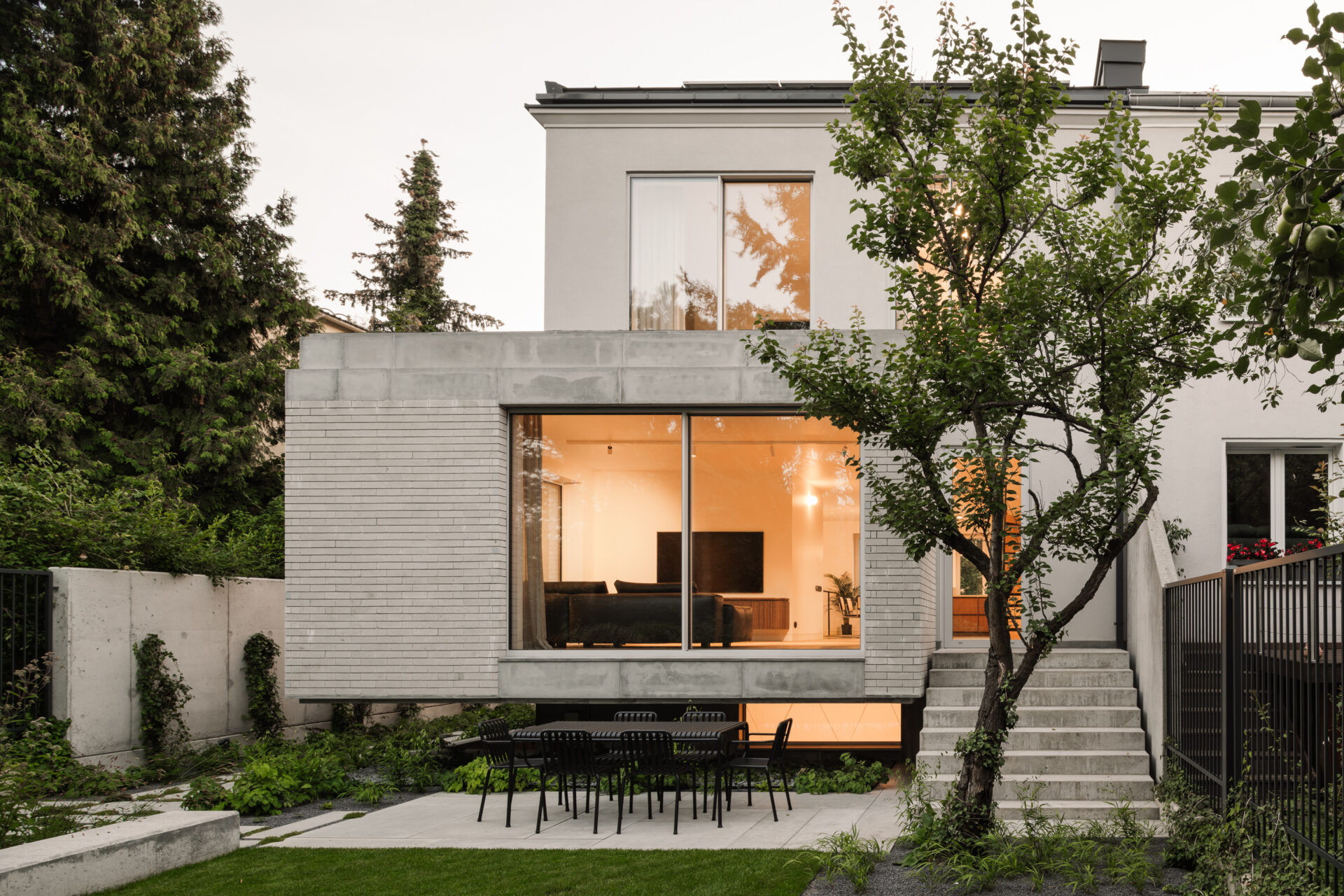
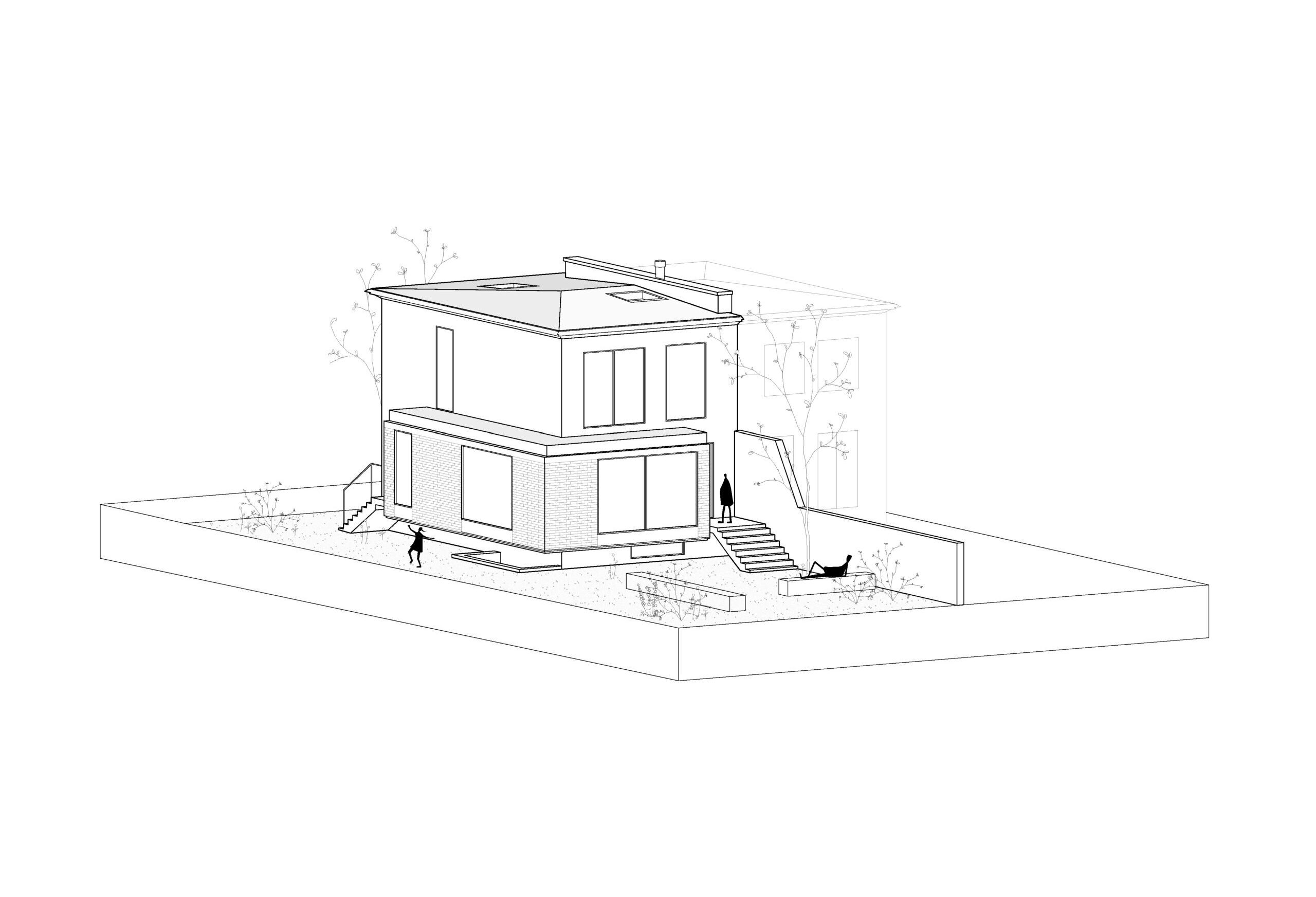
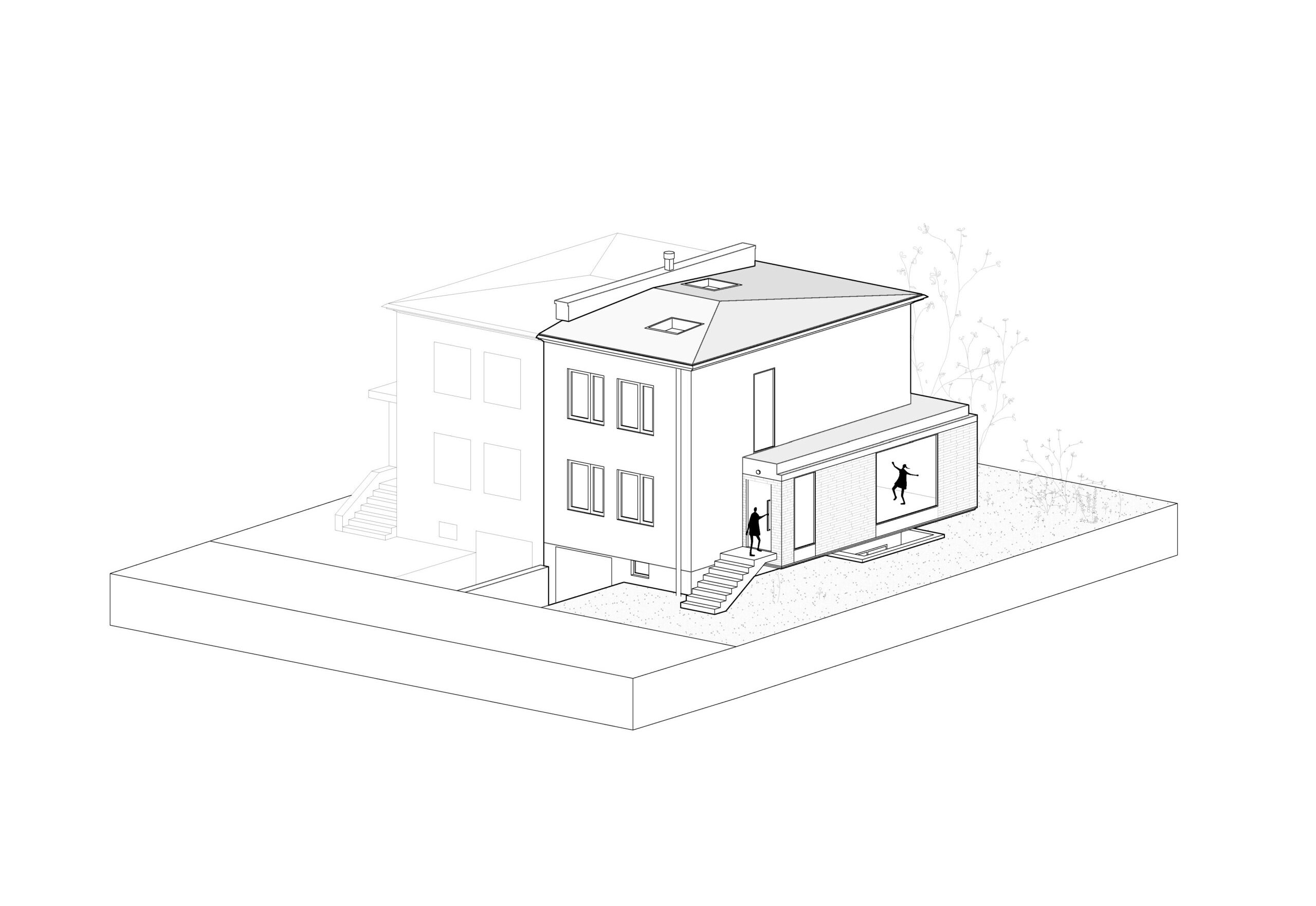
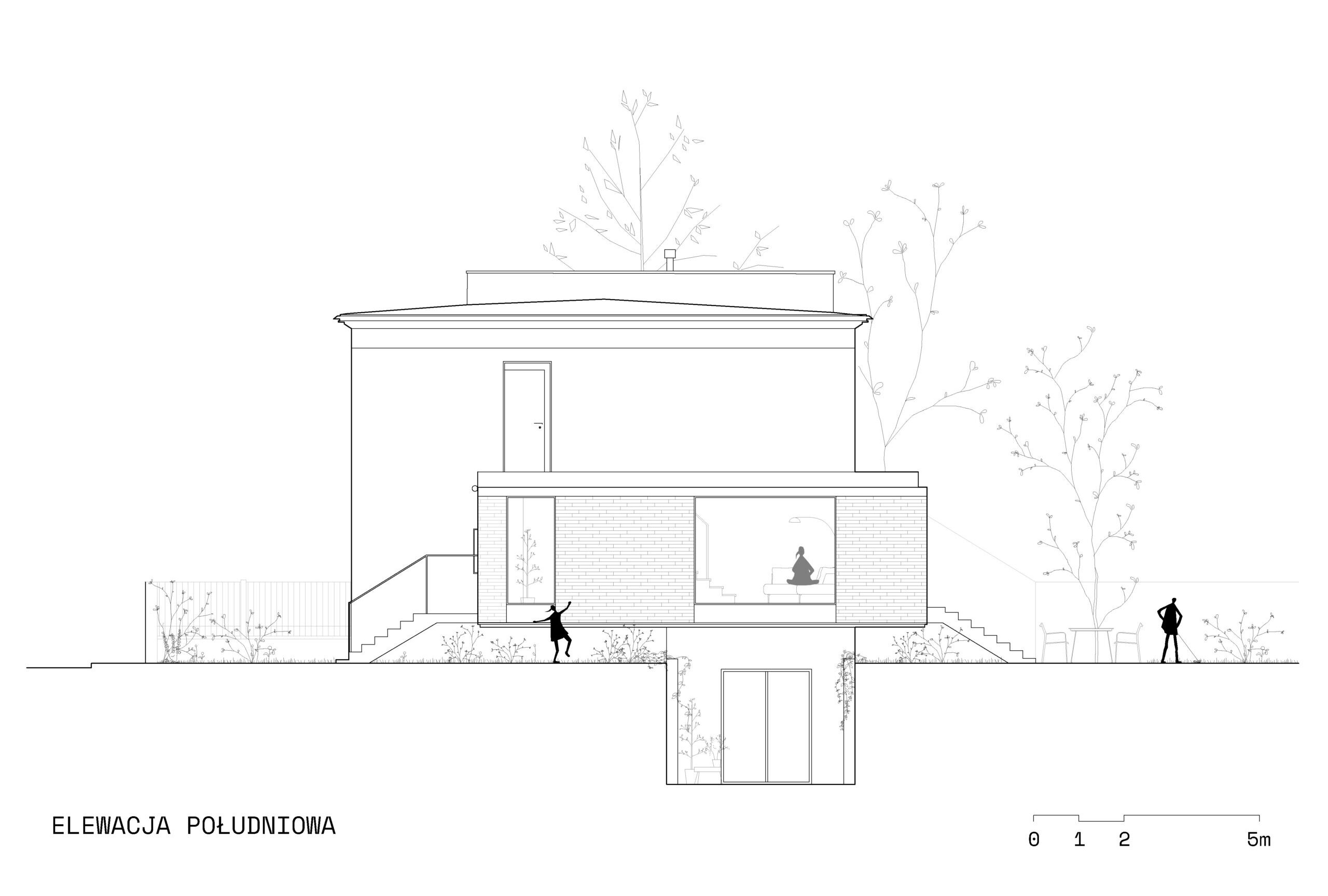
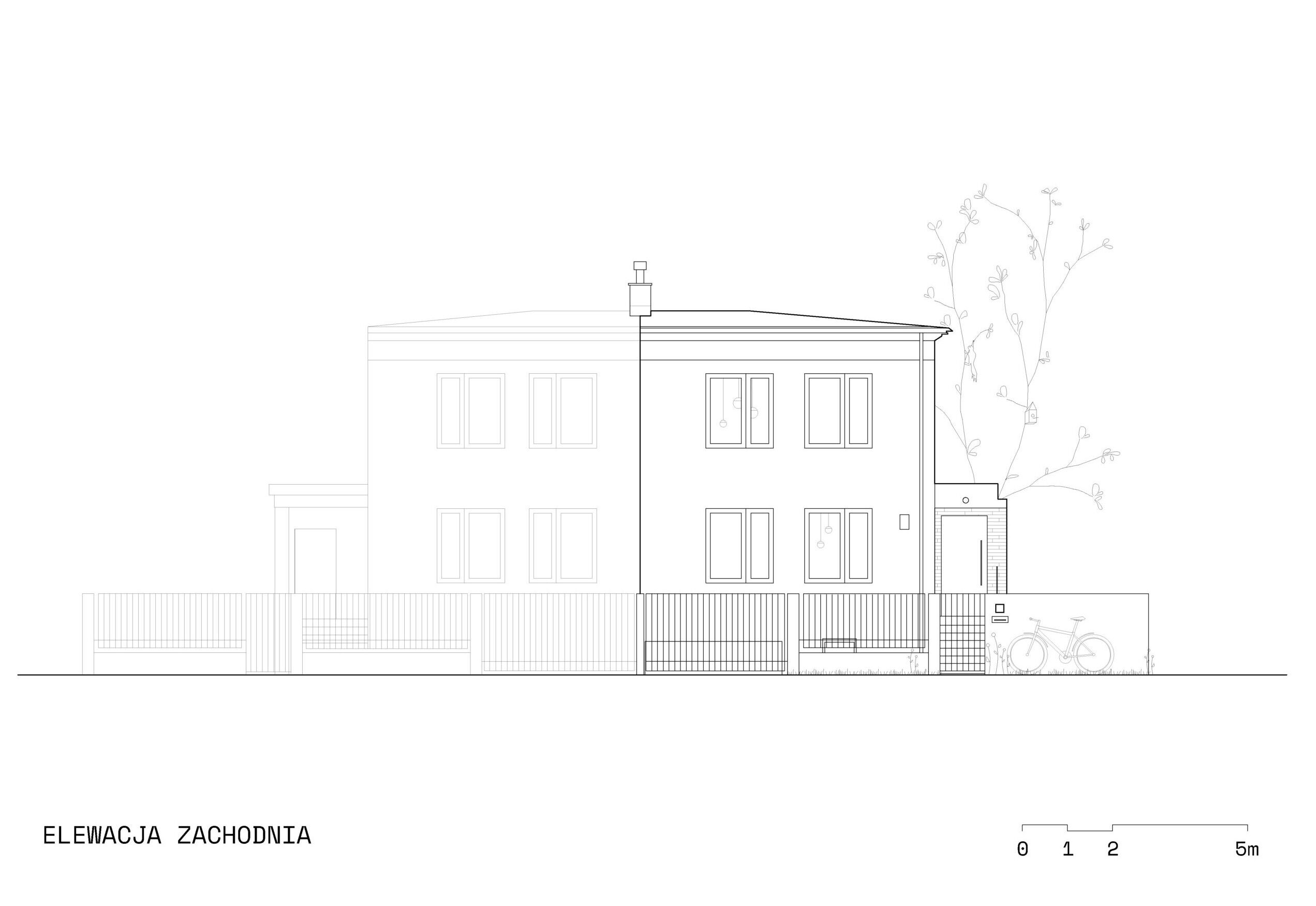
The main idea of the project was for the building to be visually neutral from the street and to differ as little as possible from the neighbours. Due to the twin housing, we focused on visual consistency. However, from the garden side, we introduced an overhanging volume. This move allowed for improved internal functionality and a visual connection with the greenery in the garden.
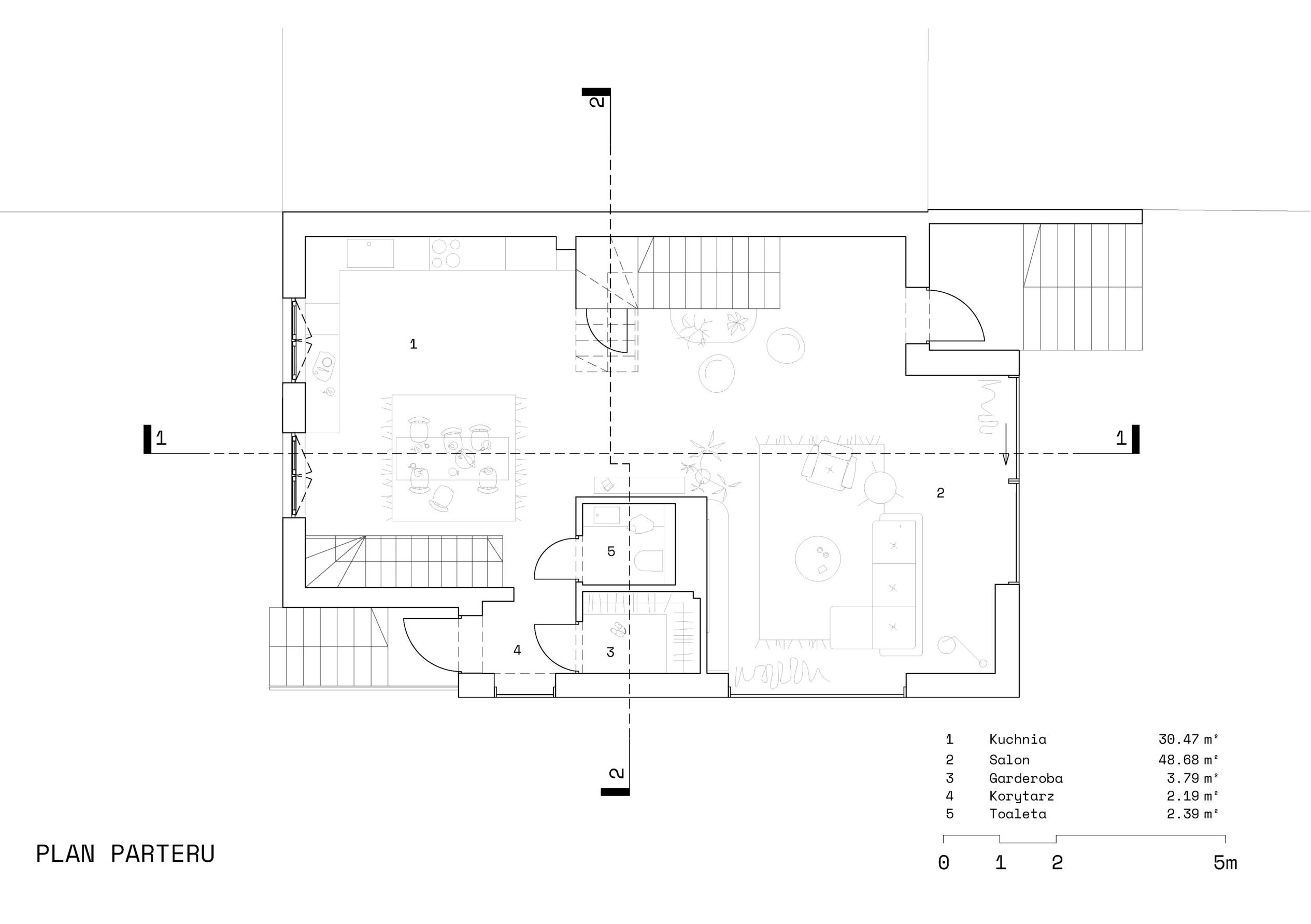
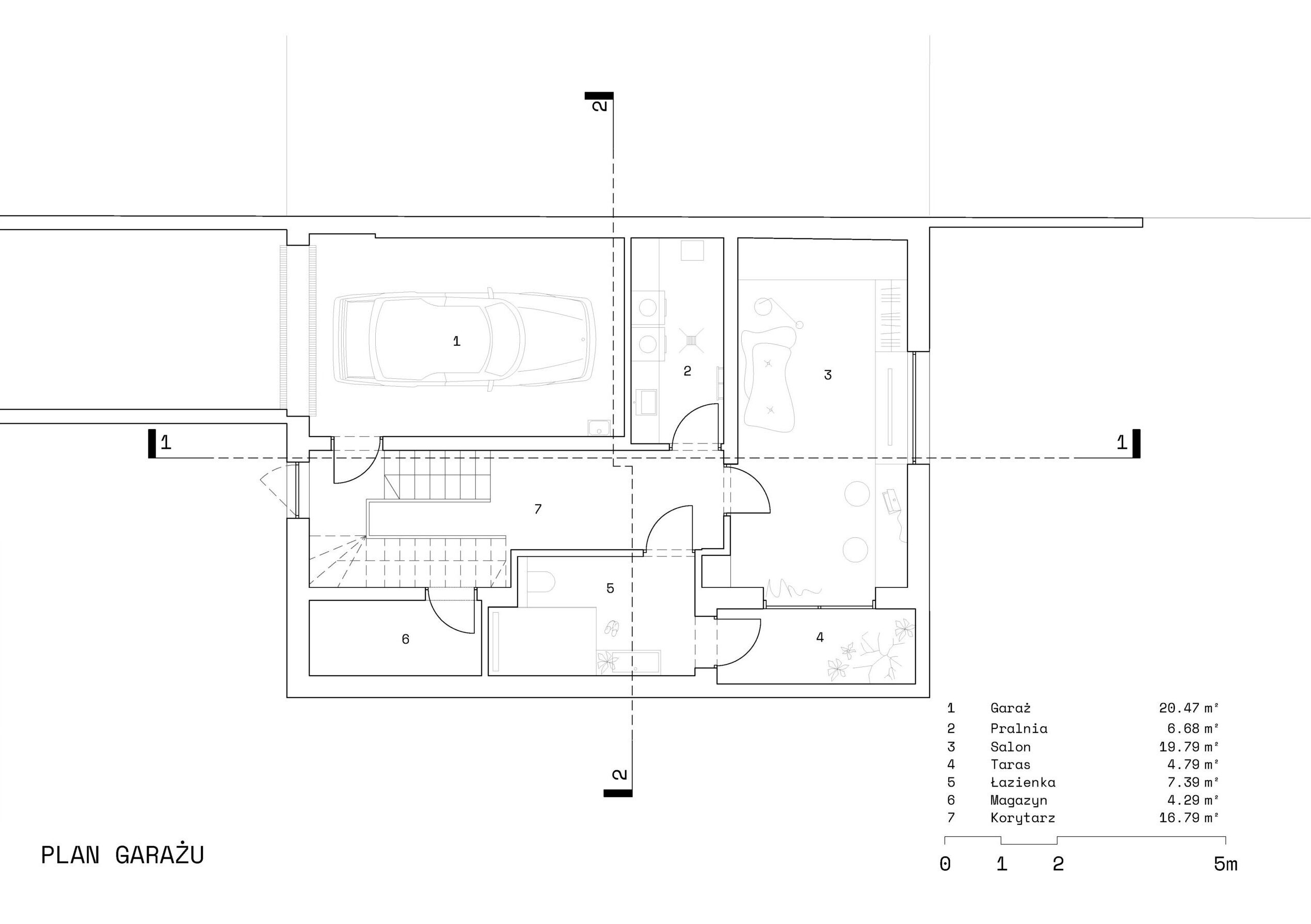
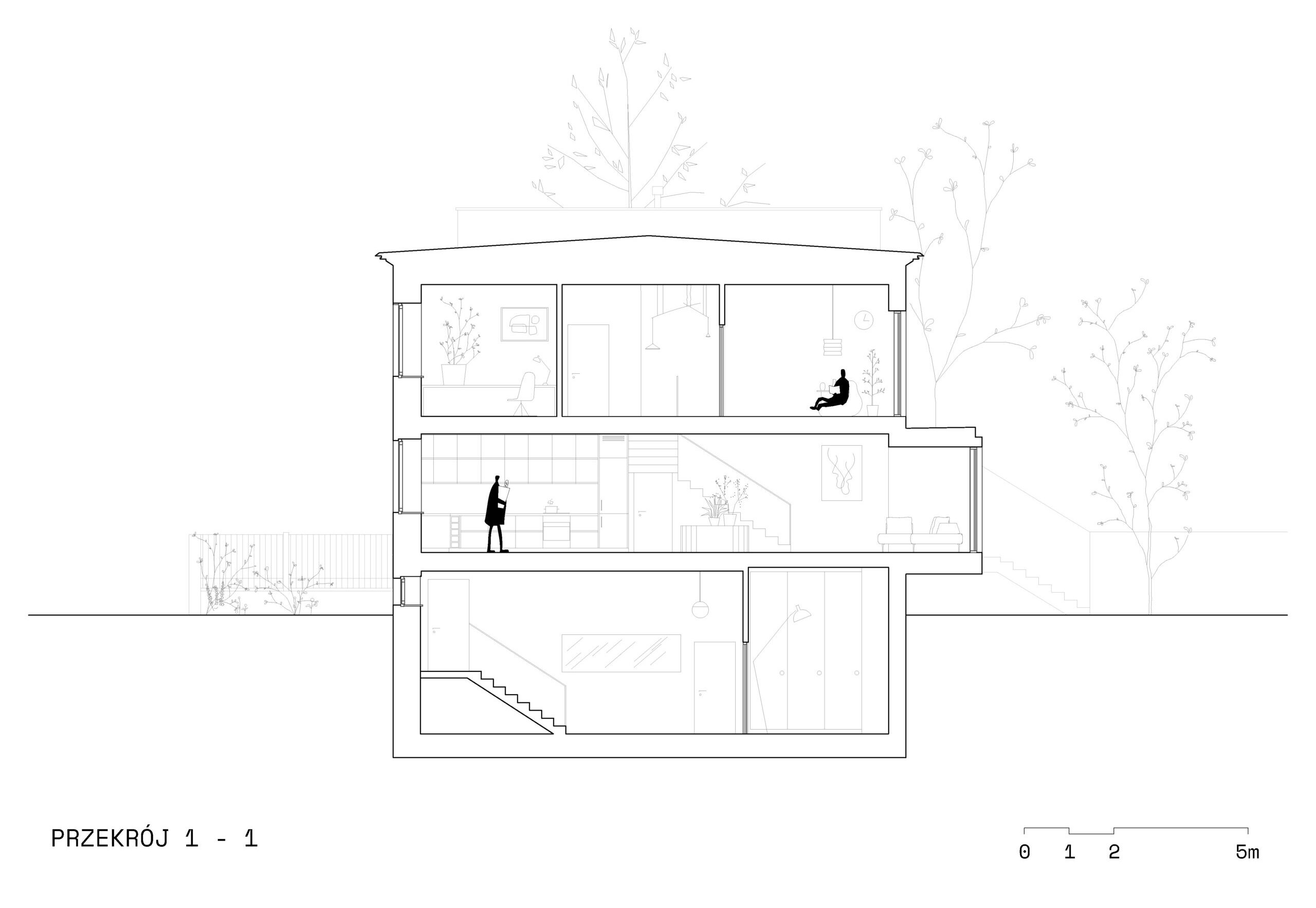
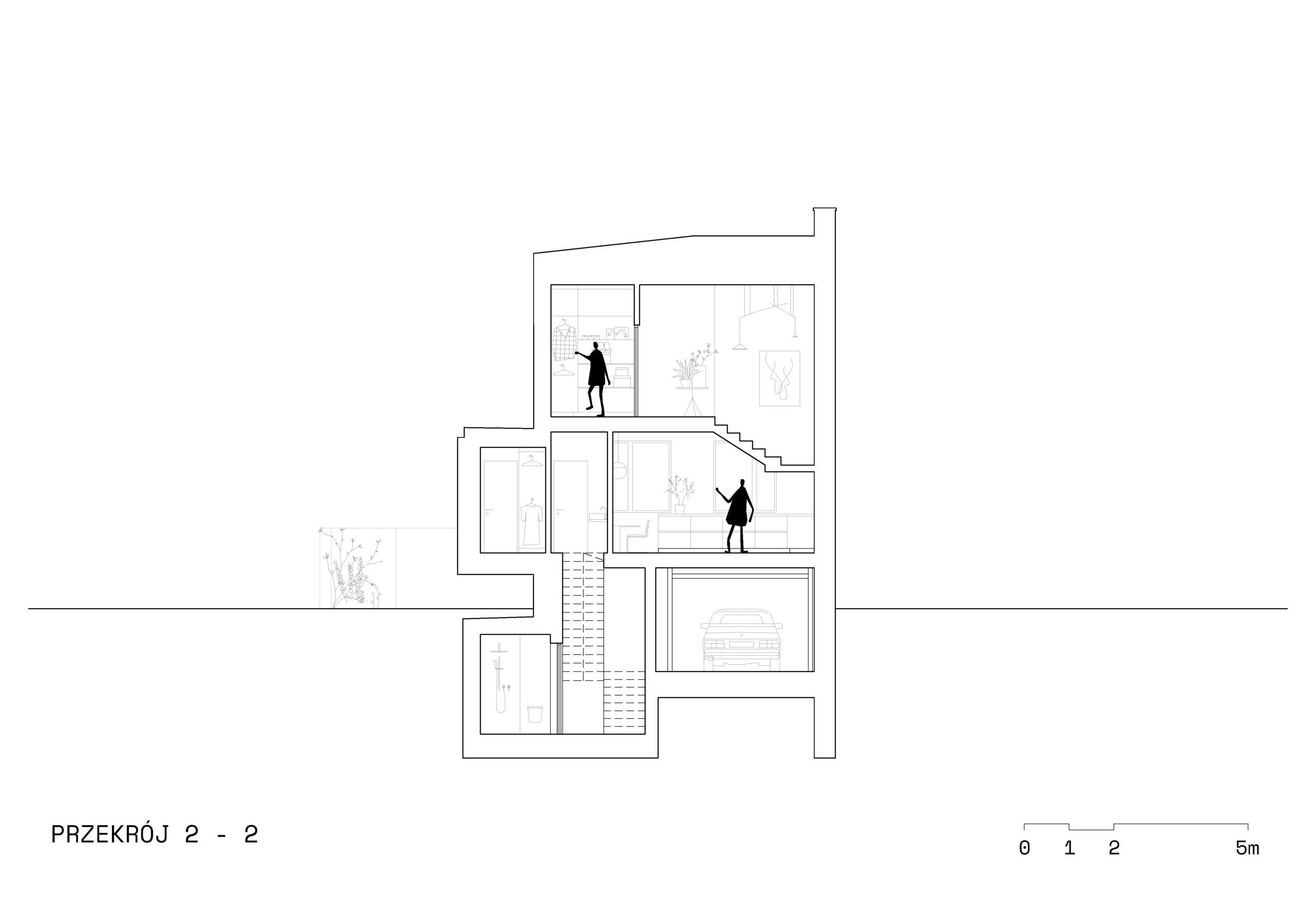
We made significant reorganizations of the interior layout while maintaining the existing ceiling heights. The original functional program, created decades ago, did not meet the contemporary needs of the family. The centrally located staircase limited light access and complicated communication between the living rooms and the kitchen. We also deepened the basement, simultaneously illuminating some rooms.
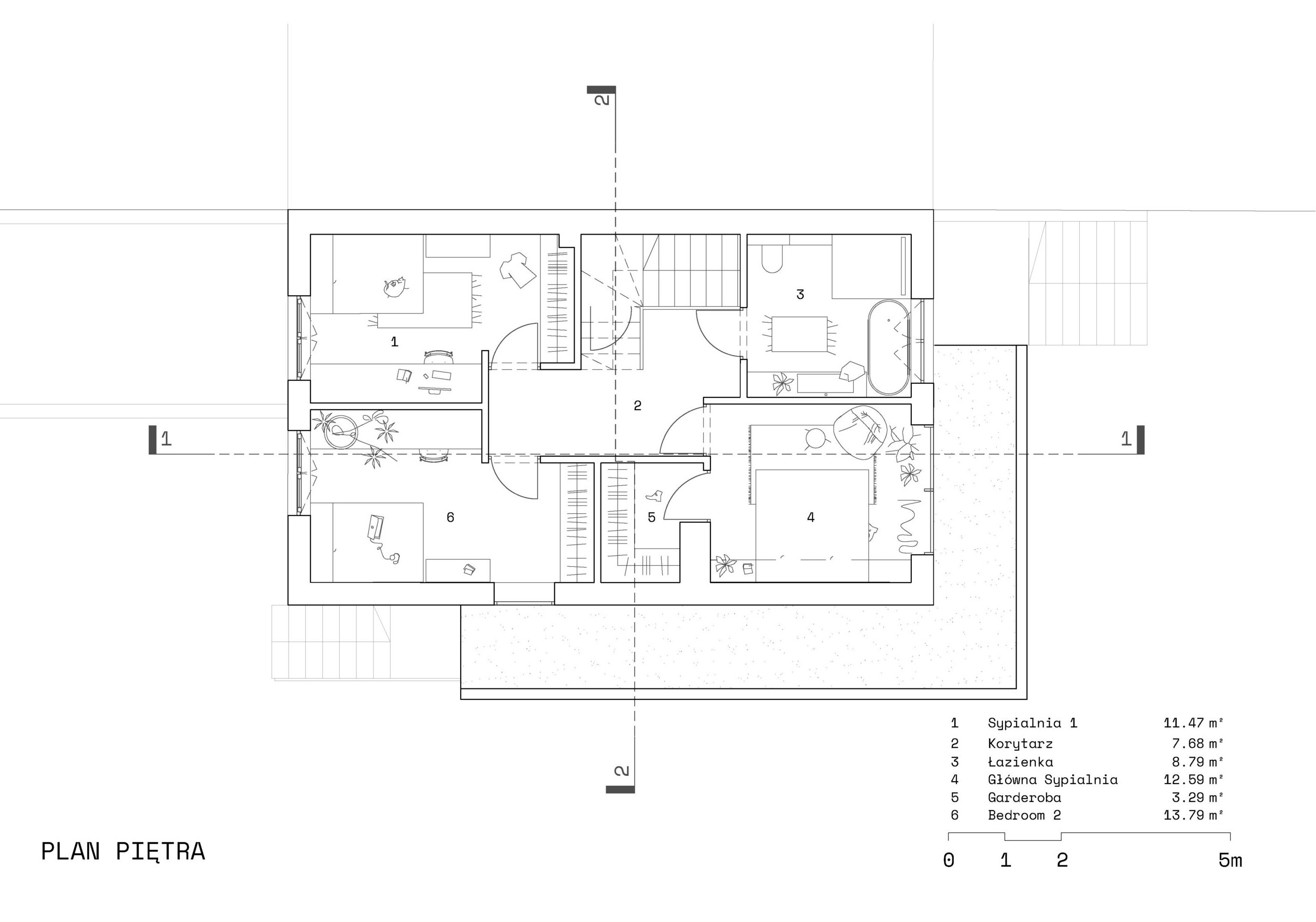
A key undertaking that formed the starting point for creating a functional interior was the reorganization of vertical and horizontal circulation. We designed two new open staircases – one leading from level -1 to the ground floor, and the other connecting the ground floor with level +1.
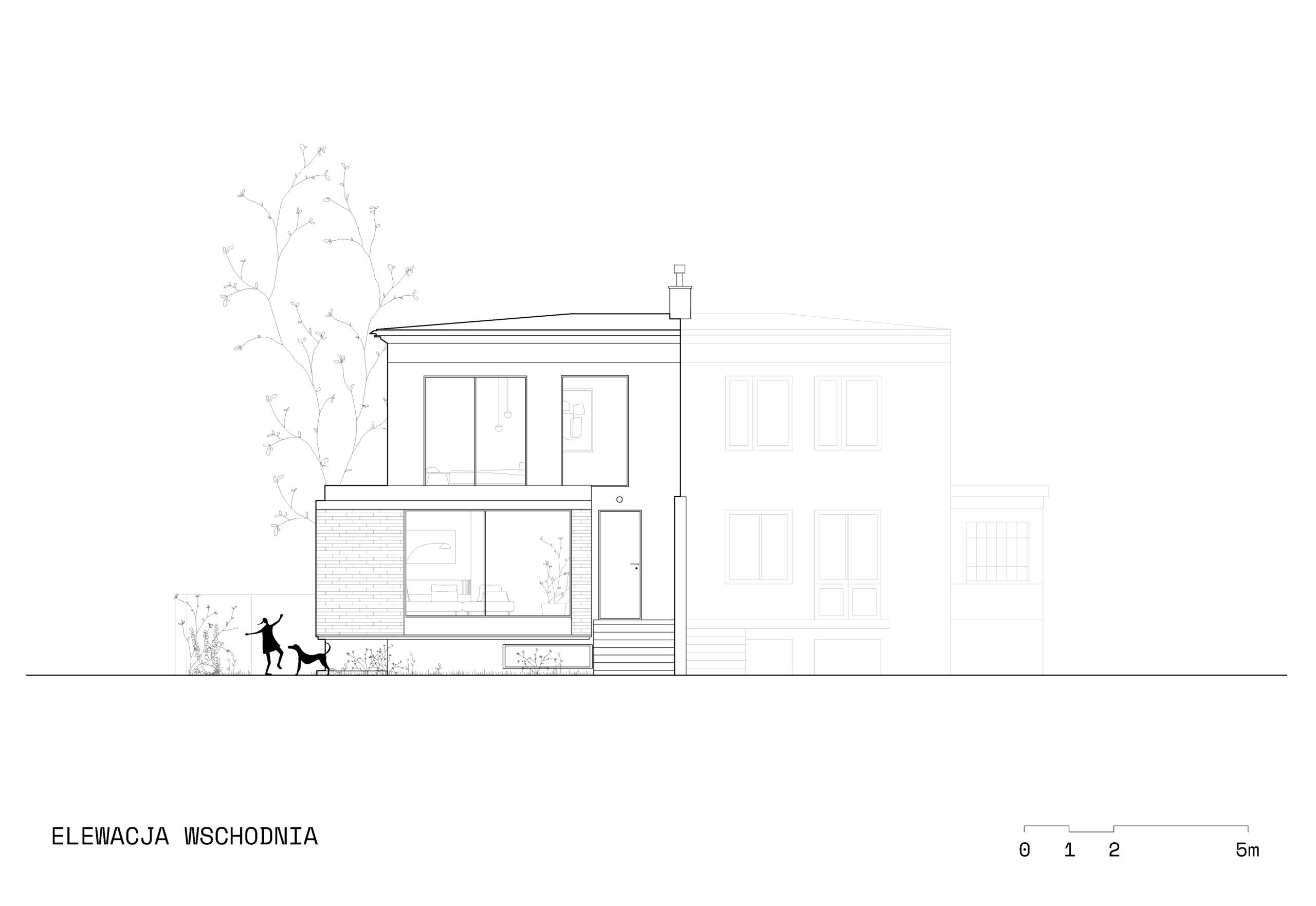
As designers, we focused on improving the functionality of the ground floor space and adding essential elements requested by the investor. A significant action was to enlarge the living room and hallway areas by overhanging them beyond the building outline. The result of this solution was also a larger space for the kitchen, dining room, and a comfortable hallway. This also allowed for the introduction of large windows from the garden side.
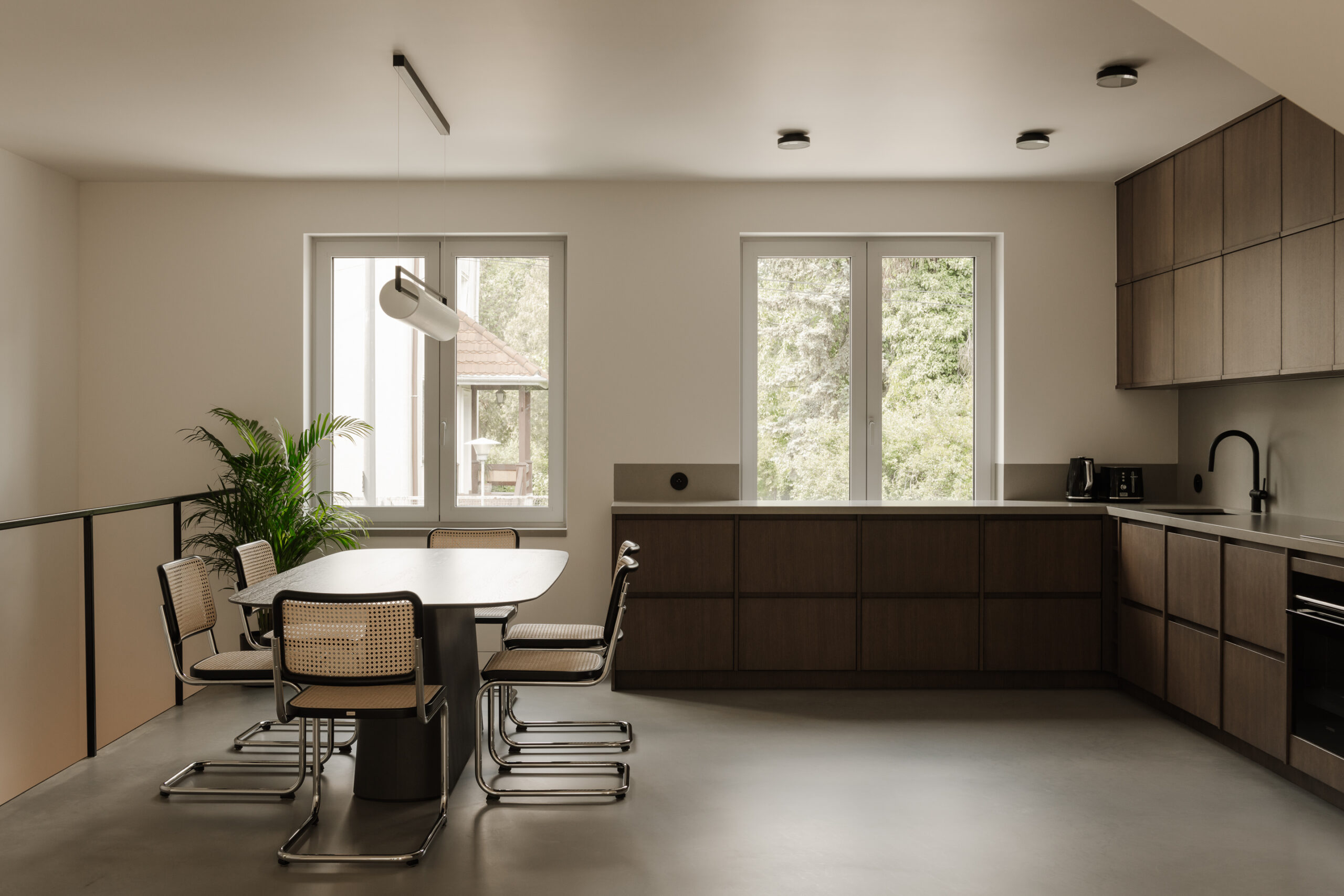
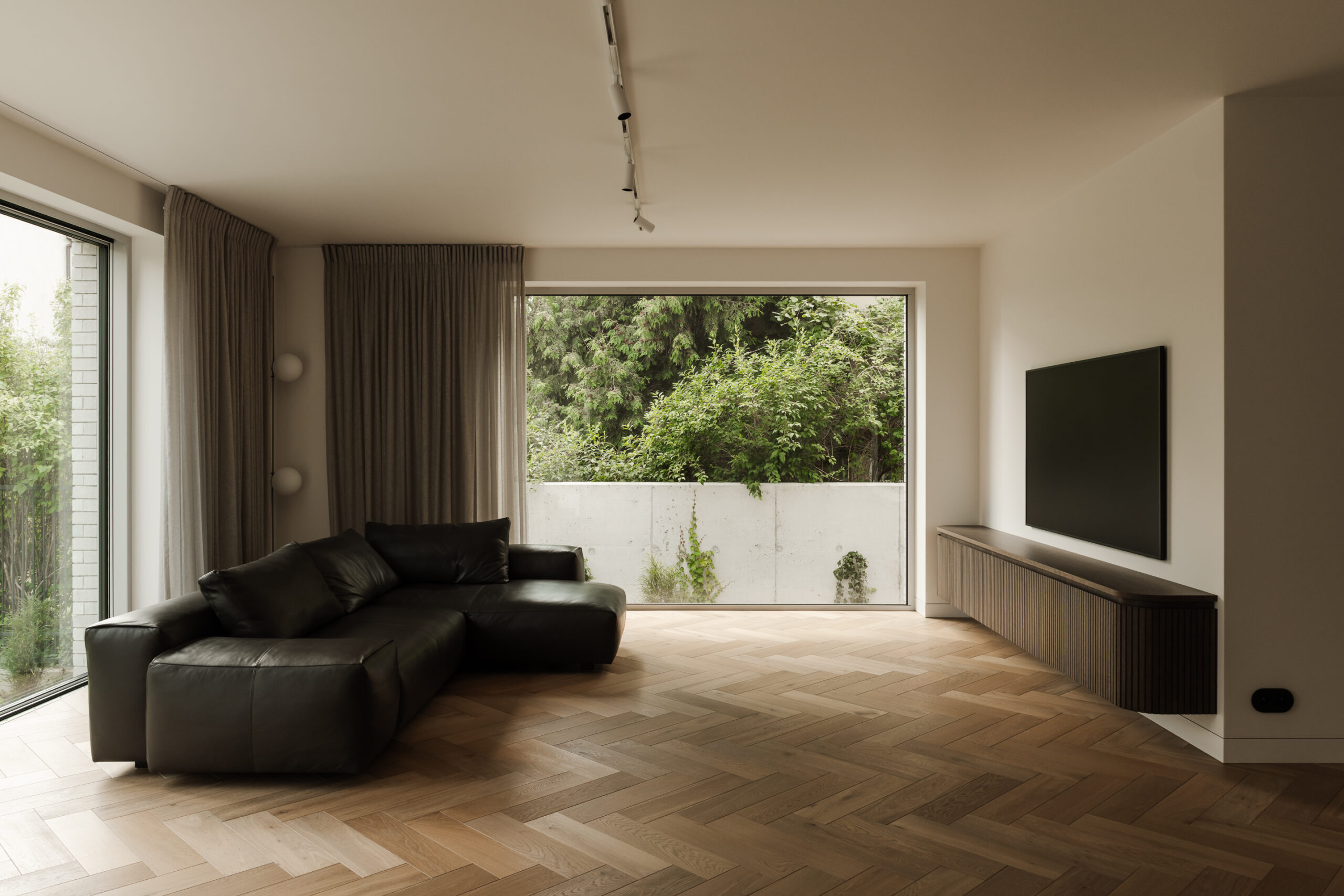
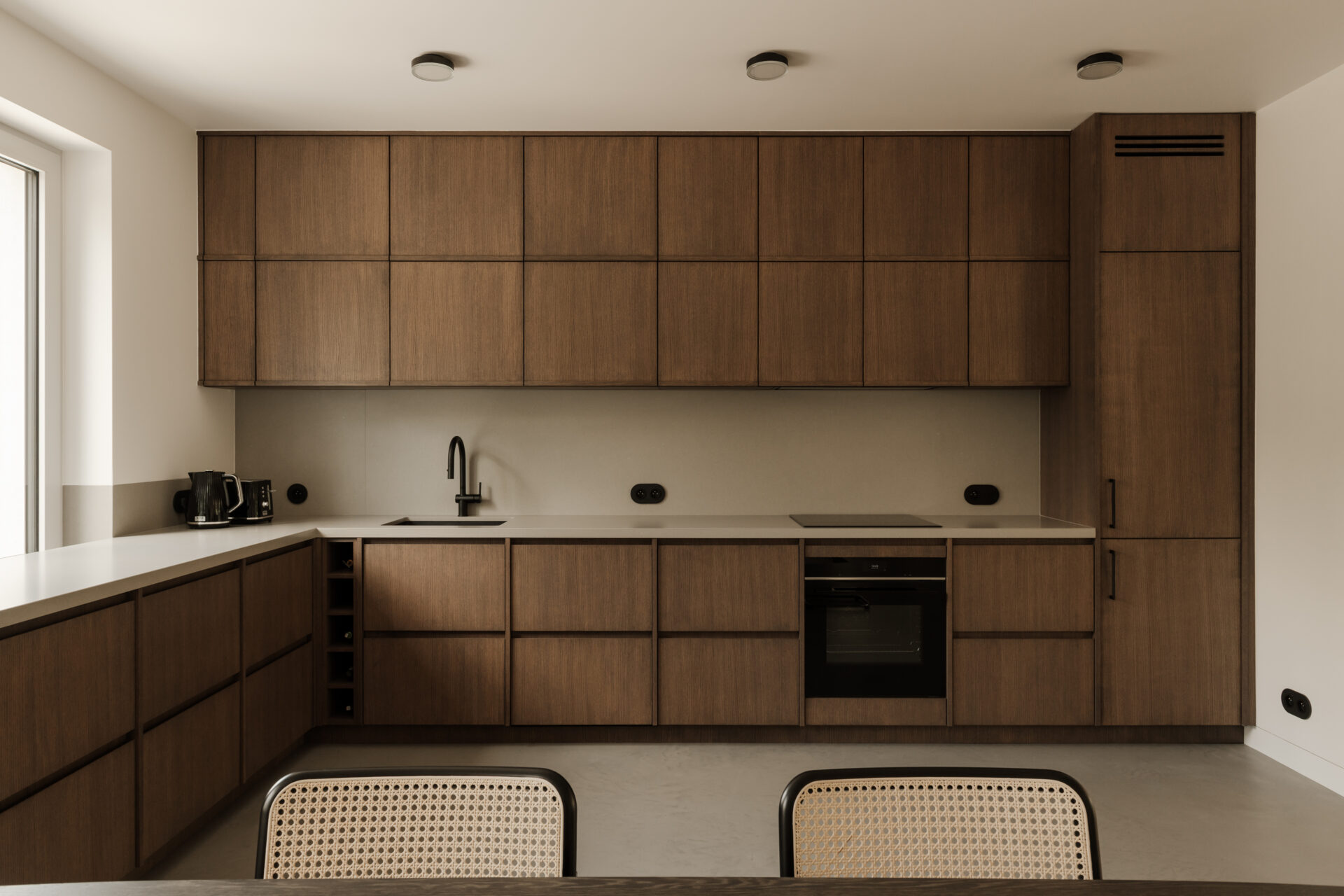
On level -1, we located the garage, storage rooms, technical rooms, a bathroom, and a room, ensuring the lighting of key spaces through “light wells.” On the ground floor, in the entrance area, there is a wardrobe and a toilet, adjacent to a spacious kitchen with a long countertop and a dining area. The living area of the living room, furnished with sofas on the south side, has direct access to the garden. On level +1, we placed three bedrooms, a bathroom with a shower and a bathtub, and a wardrobe. The owners’ bedroom has access to a terrace, partially located over the living room. To illuminate the staircase and corridor, we planned skylights.
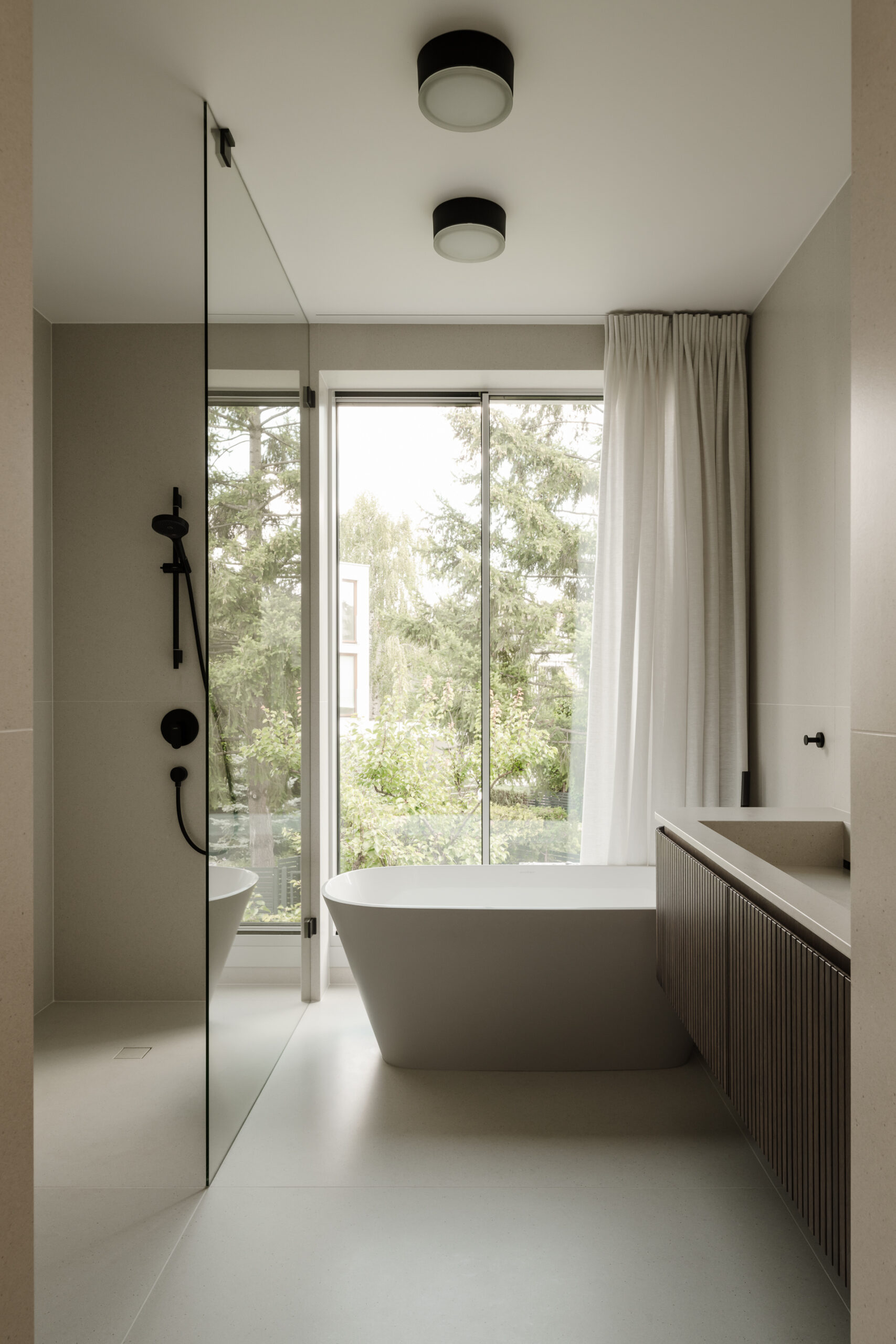
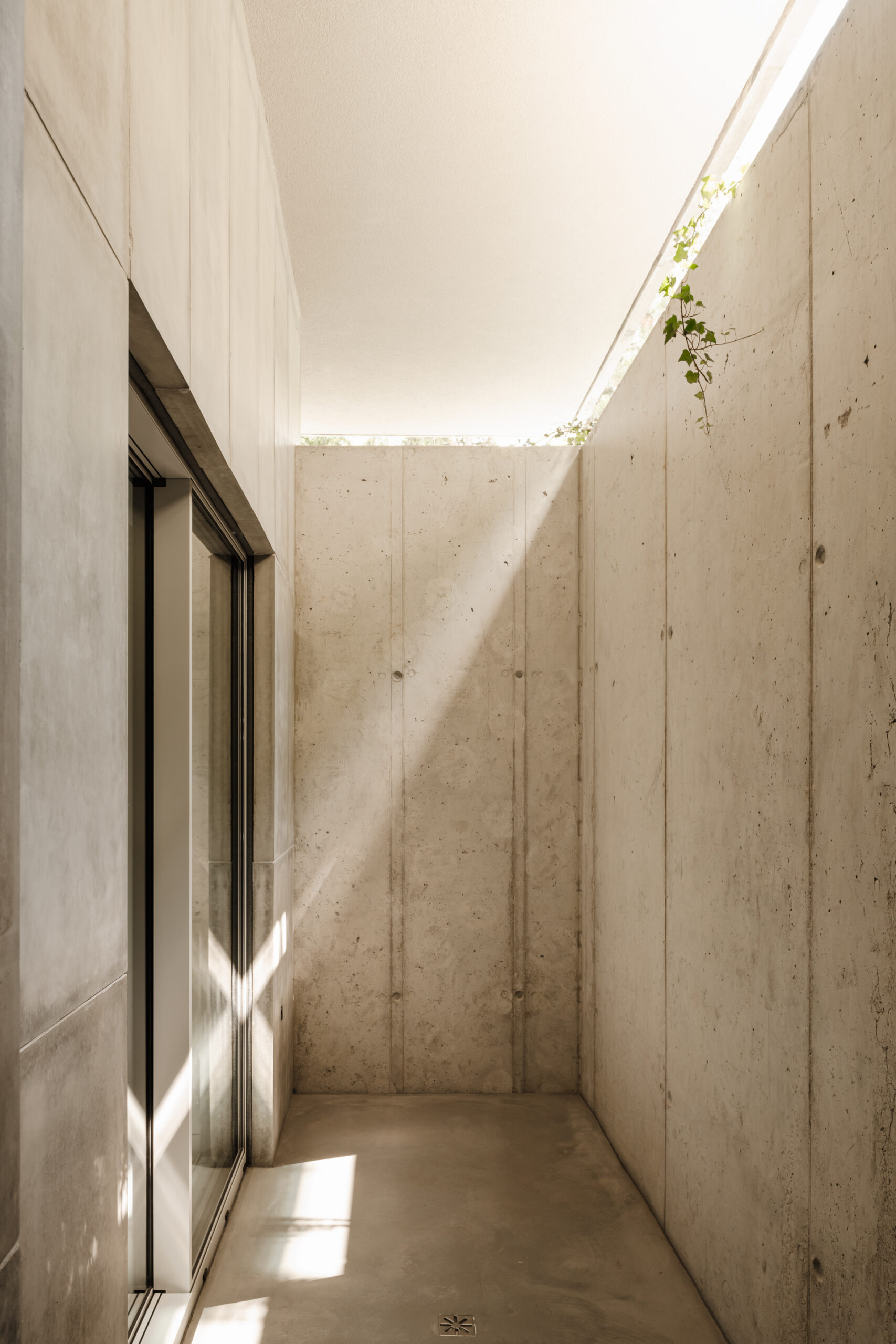
For this theme, the investor entrusted us with both the architectural design and the interior design, which streamlined the implementation process of the building and provided a cohesive final effect. Inside the object, we proposed bright colours and natural materials. The floor features oak planks and polished concrete. The bathrooms are finished with marble tiles and quartz sinters.
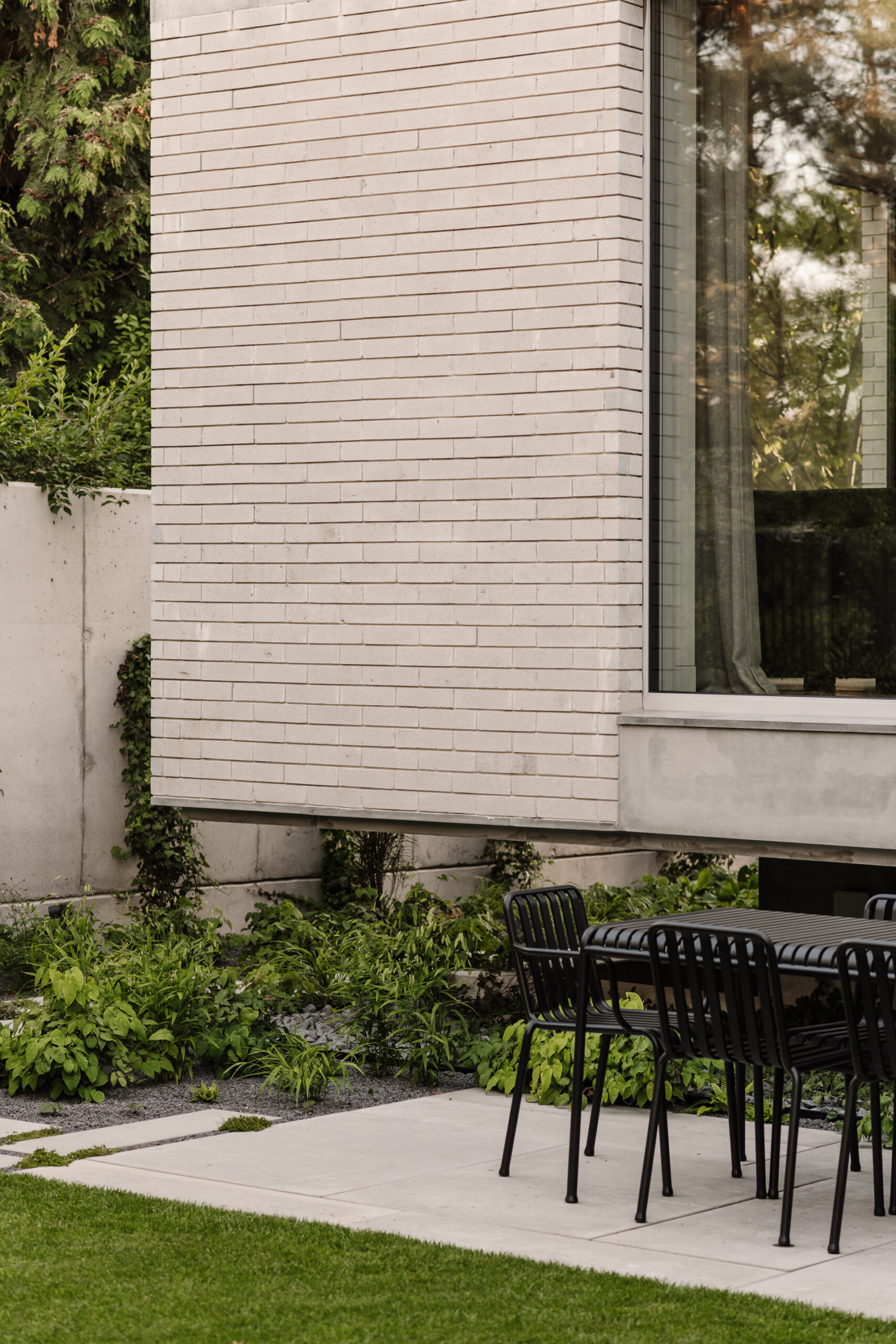
The front of the building references the neighbouring segment in colour and style. It is finished with natural plaster painted in light grey. We recreated the windows with original divisions. Meanwhile, the overhanging volume from the side and garden was made of grey concrete bricks. We included large windows with powder-coated aluminum frames. A subtle detail complementing the brick facade is the specially designed prefabricated concrete elements that emphasize the quality of the elevation composition.



 Previous project