FB6
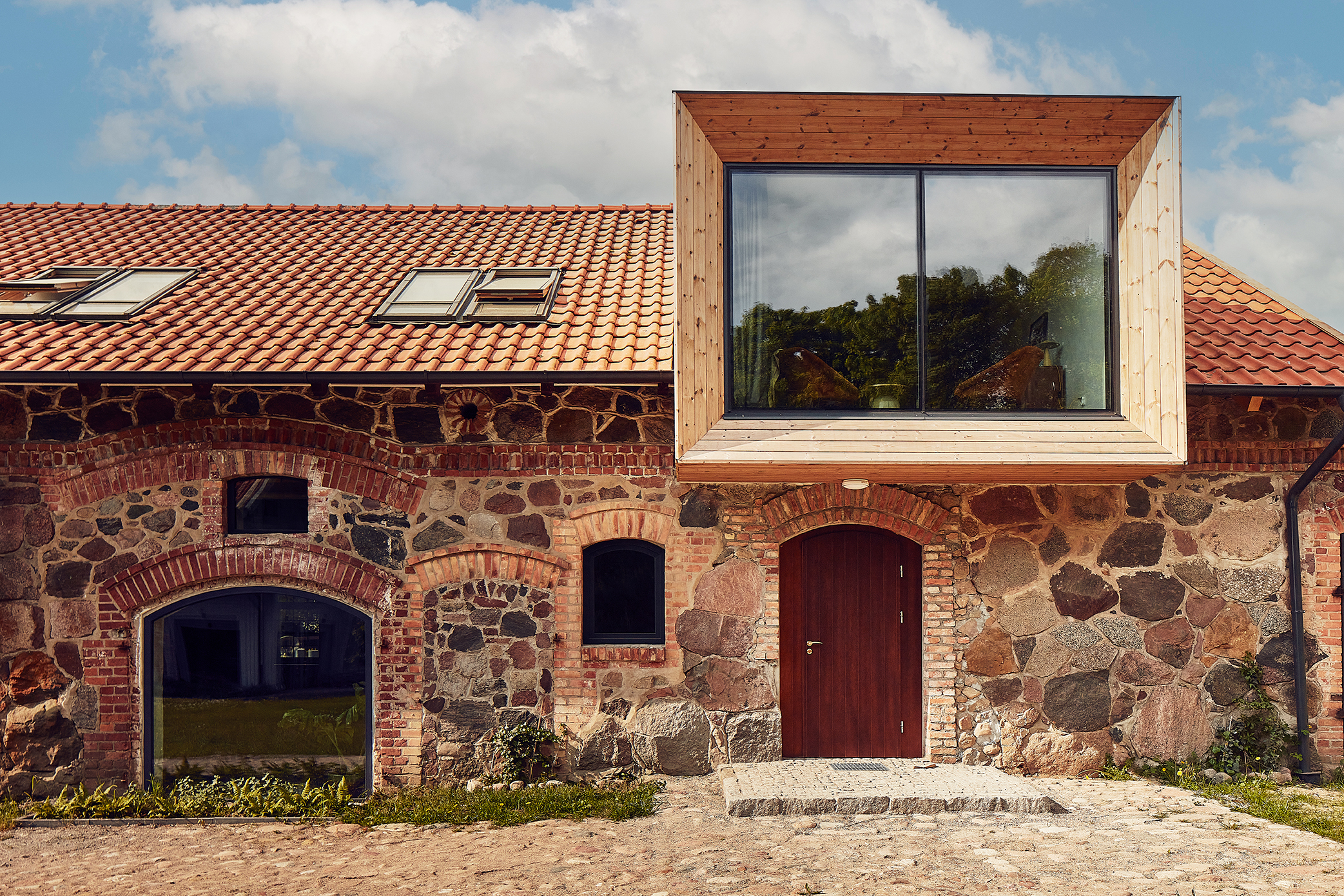
adaptation and modernization of a rural homestead
The project of rebuilding and reinterpreting functions within the farmstead is an attempt to “stitch together” the authentic historic fabric using contemporary solutions. In our view, it represents both modernization and the proper maintenance of neglected yet beautiful rural complexes that require renovation and repair.
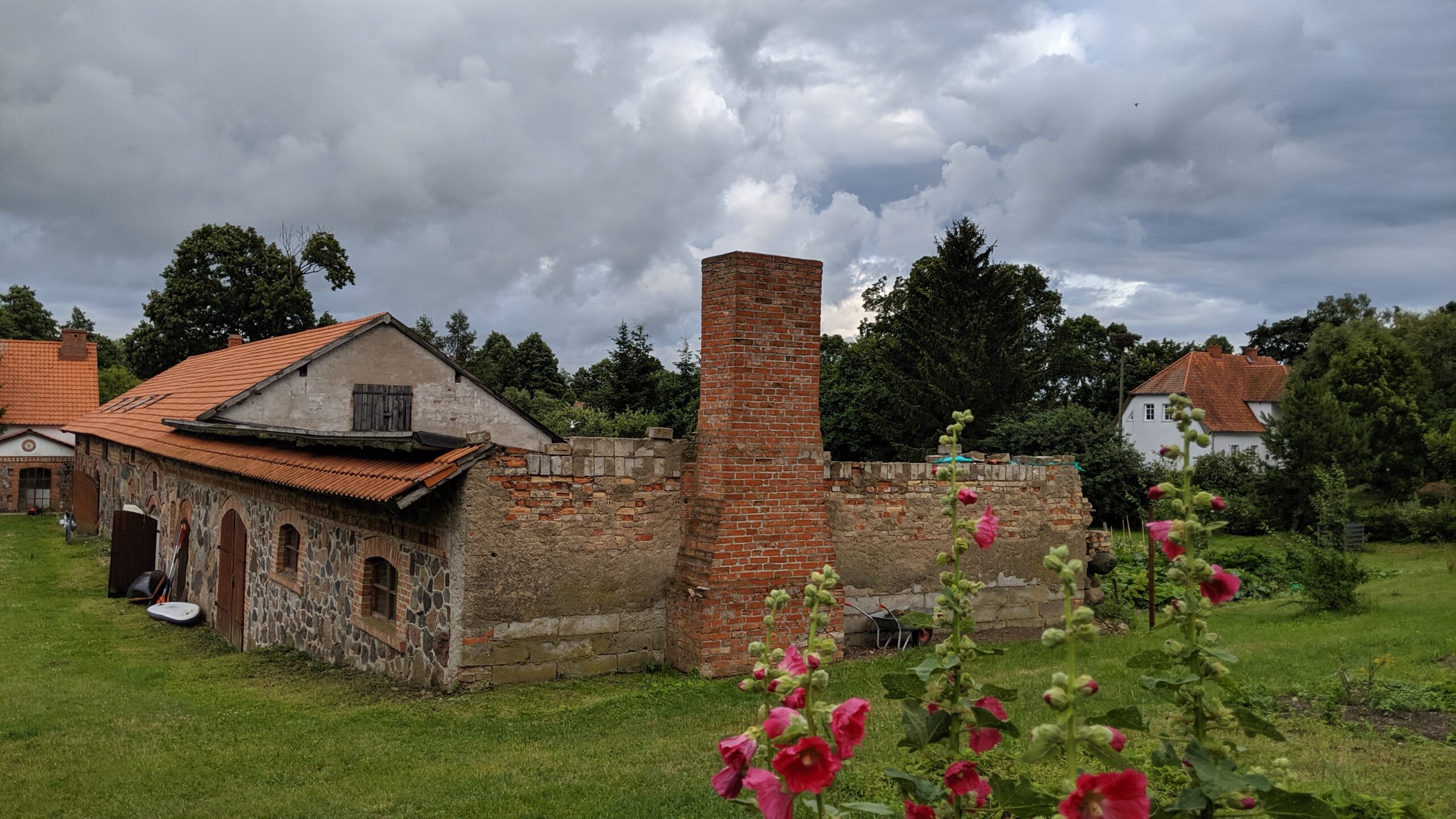
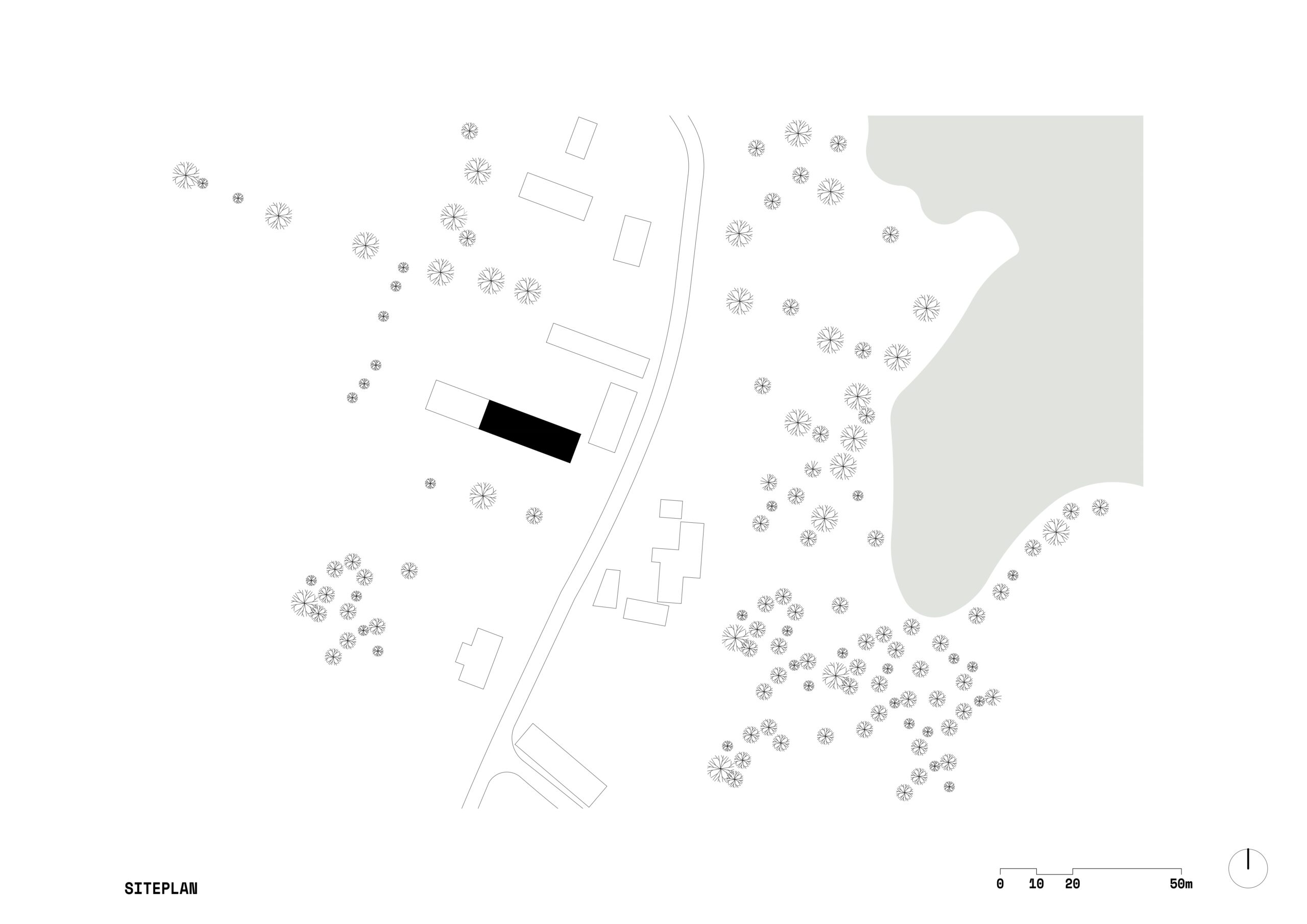
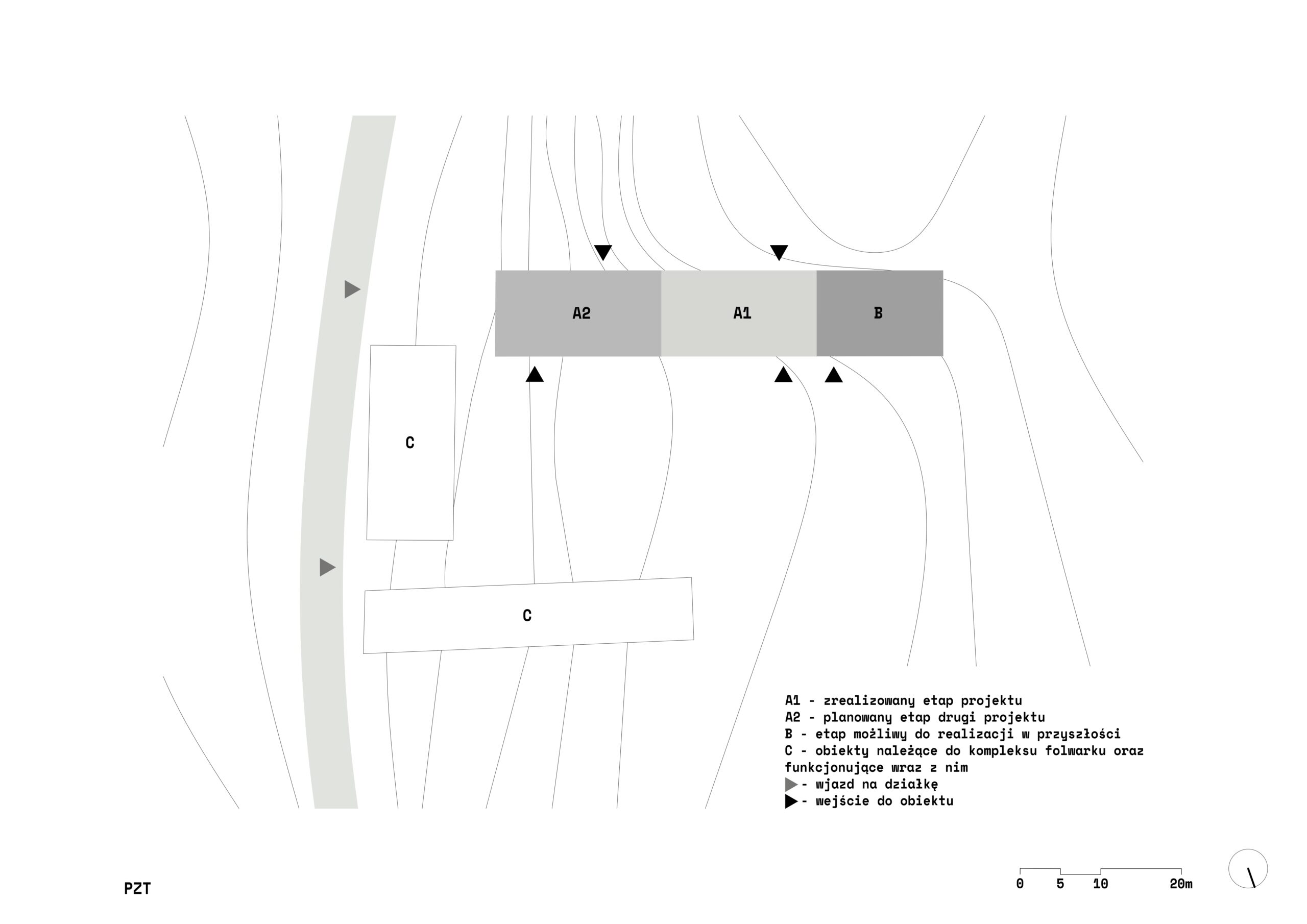
The name Folwark Bielskie comes from the village in which the property is located. The former German buildings, dating from the turn of the 19th and 20th centuries, consist of three structures: the owner’s house, a cowshed, and a stable. Over the years, the buildings fell into disrepair. Fortunately, new, deeply connected to the region owners, appeared. They decided to establish a boutique agritourism site. It was intended to reference the history of the place without becoming an open-air museum. In 2017, the first phase of work was completed – the renovation of the former cowshed.
As the second stage, it was decided to renovate the stable. We were commissioned to design the reconstruction and adaptation of the existing space. Initially, the project covered the entire building. However, after obtaining the building permit, the concept changed.
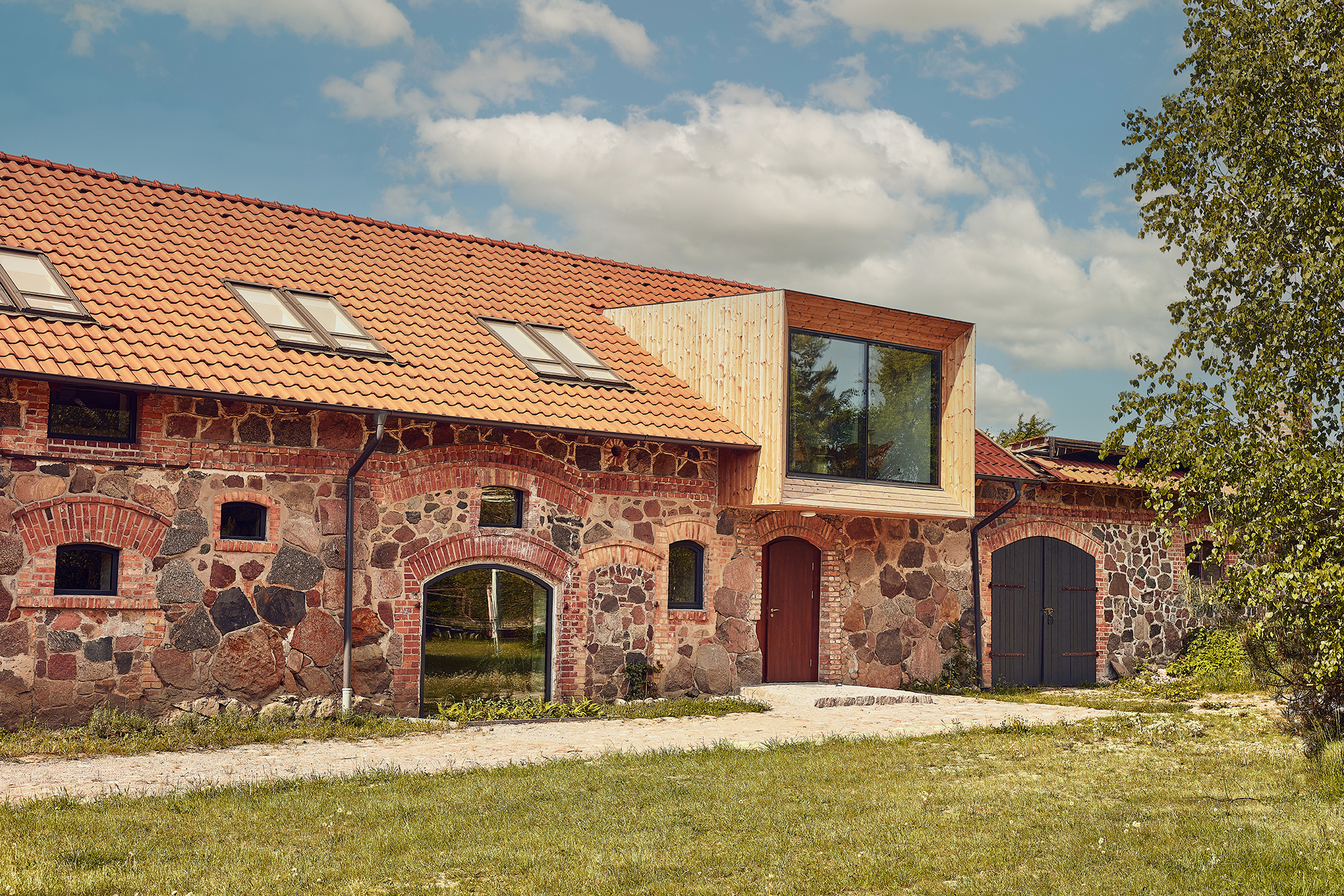
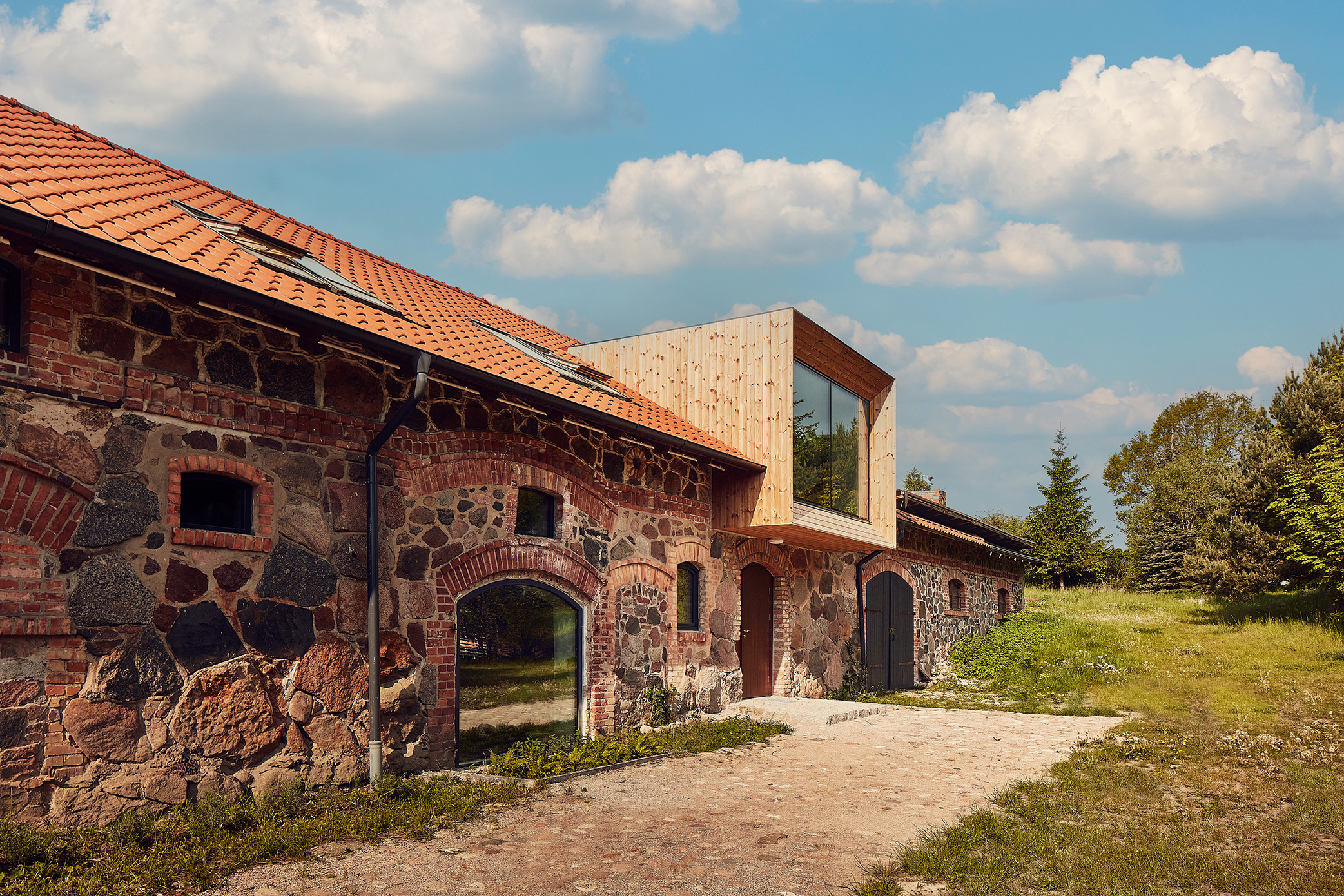
We received new functional guidelines and redesigned a smaller portion of the former stable in detail. Interestingly, while verifying dimensions during the survey of the old structure, we were impressed by the precision of the original construction elements (wooden beams) and the façade (hewn fieldstones and joints).
Our primary idea was to create a place with atmosphere by preserving as much of the historical layout and details as possible, while simultaneously introducing a contemporary language of expression. The investors had a clear vision of what should be included in the designed spaces. They also shared a similar aesthetic sensibility with us, which facilitated decision-making and the adoption of selected solutions.
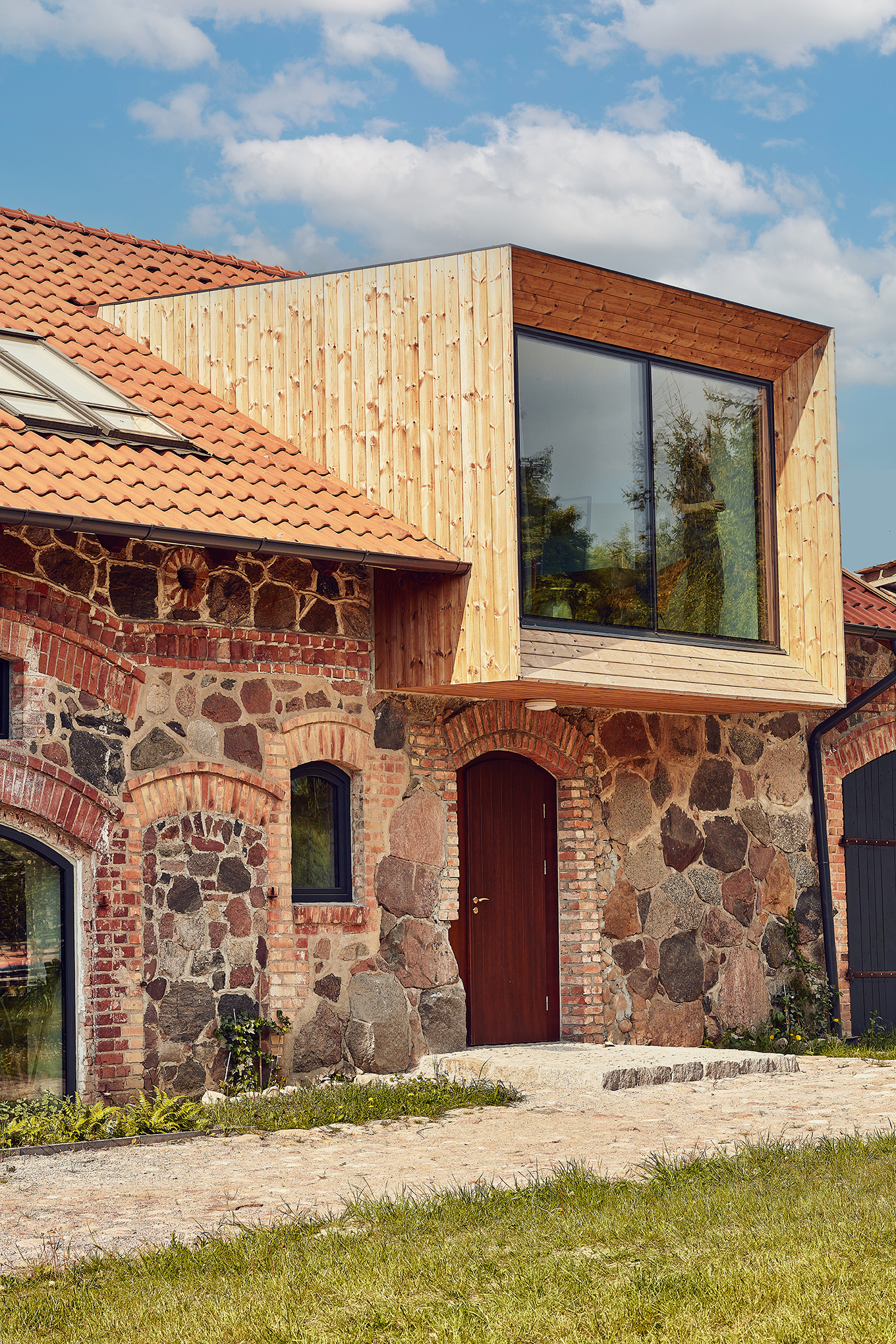
During the design process, the building was entered into the heritage register, and convincing the conservation officer of our concept played a significant role in the final form of the project.
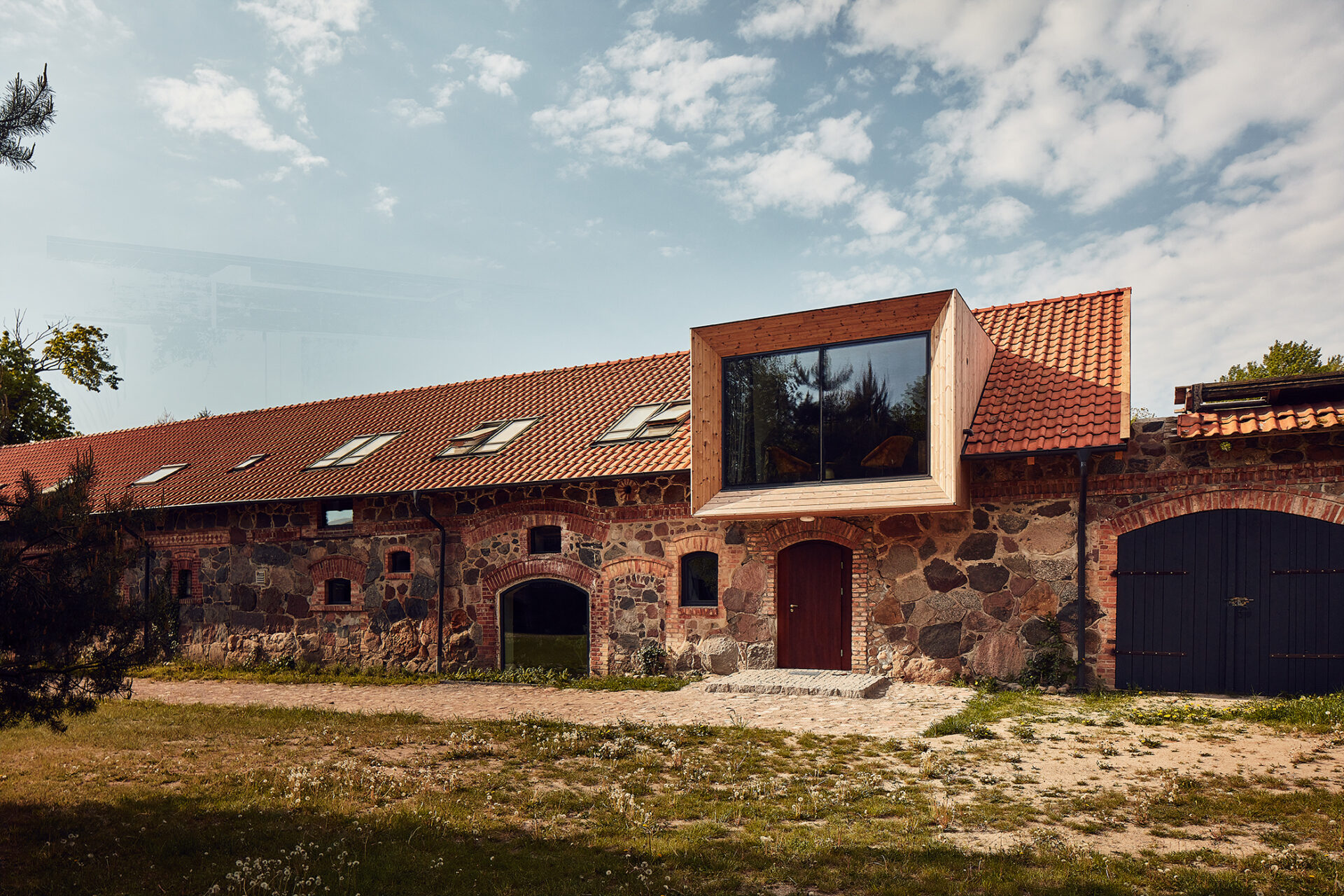
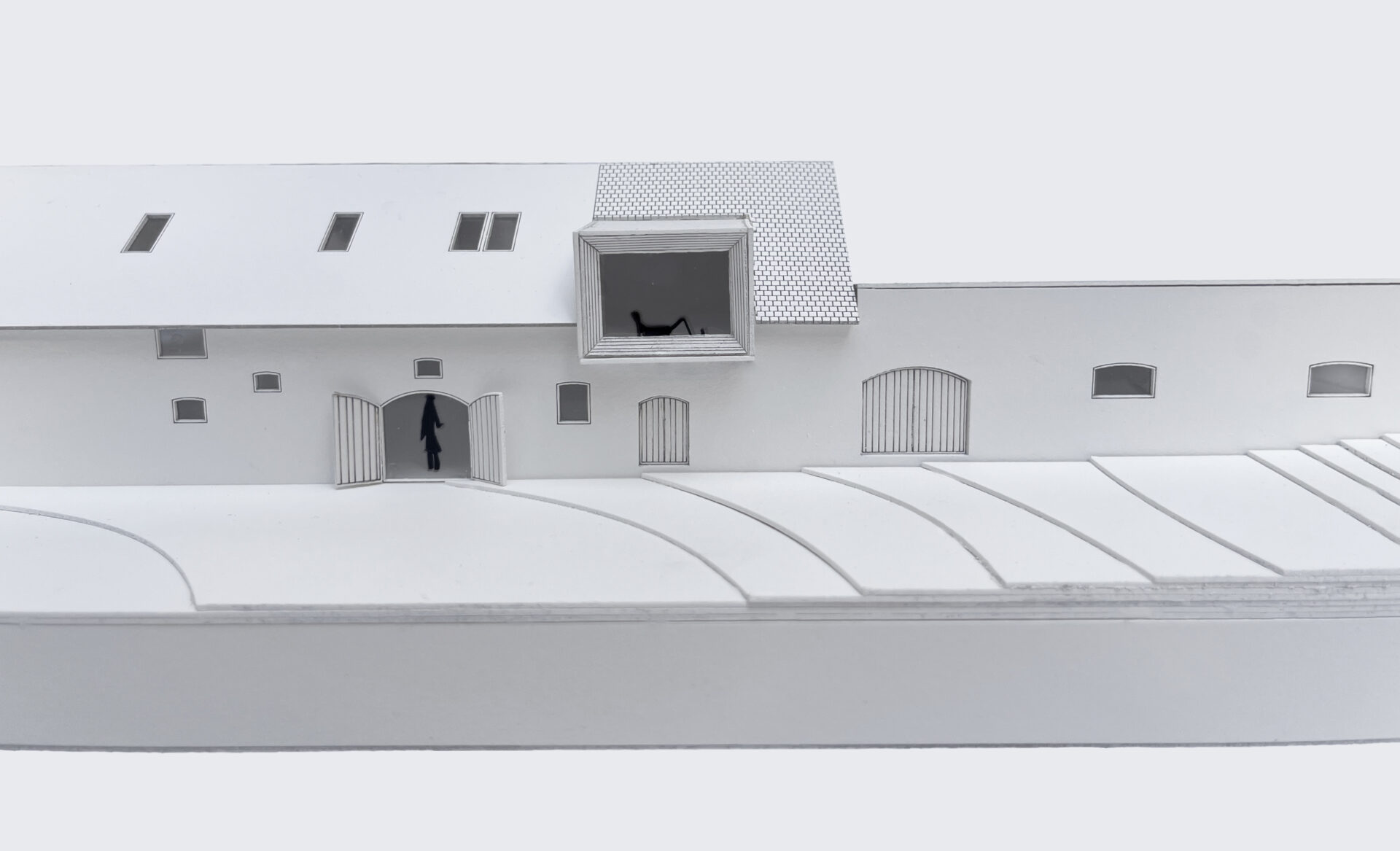
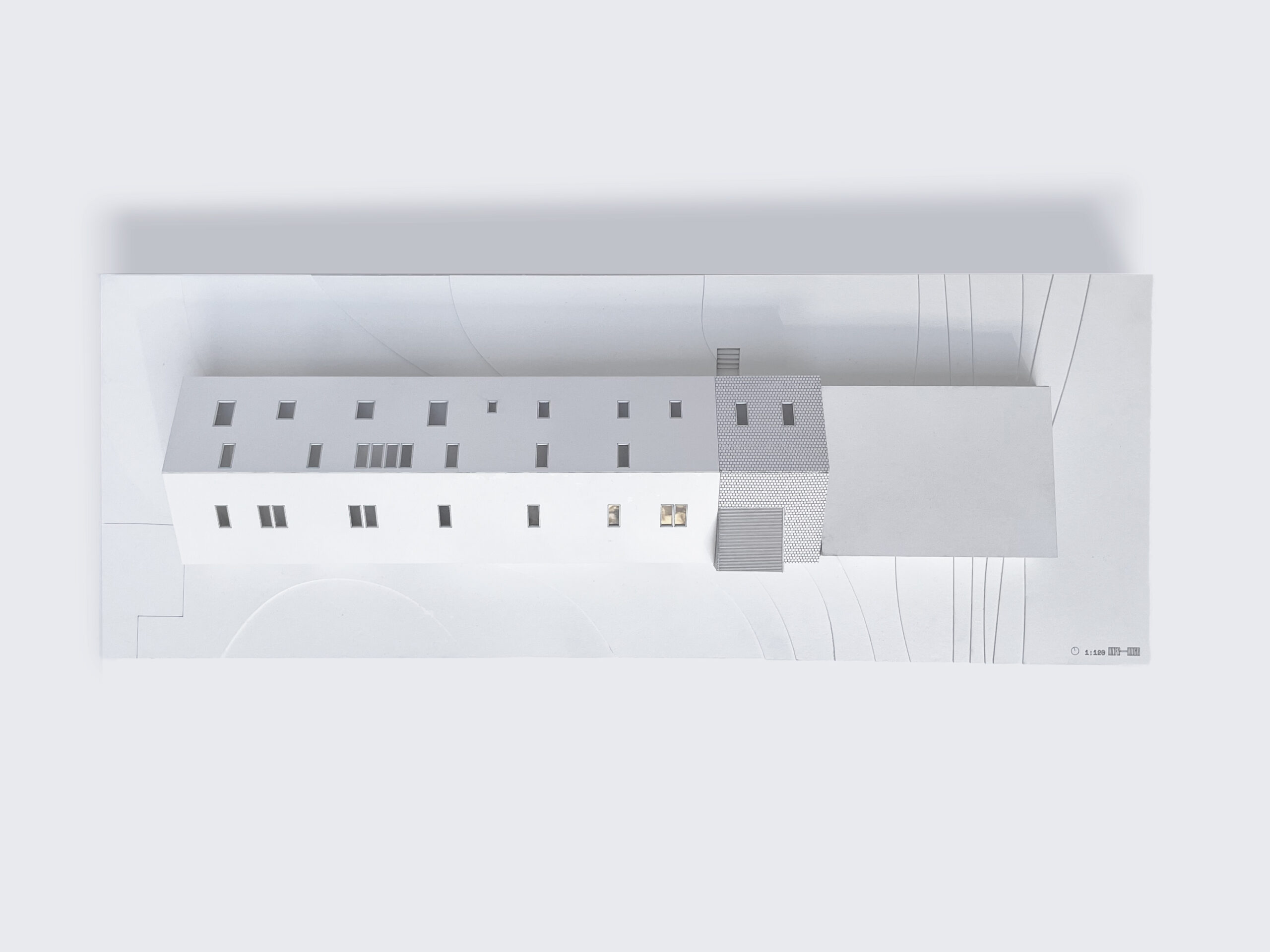
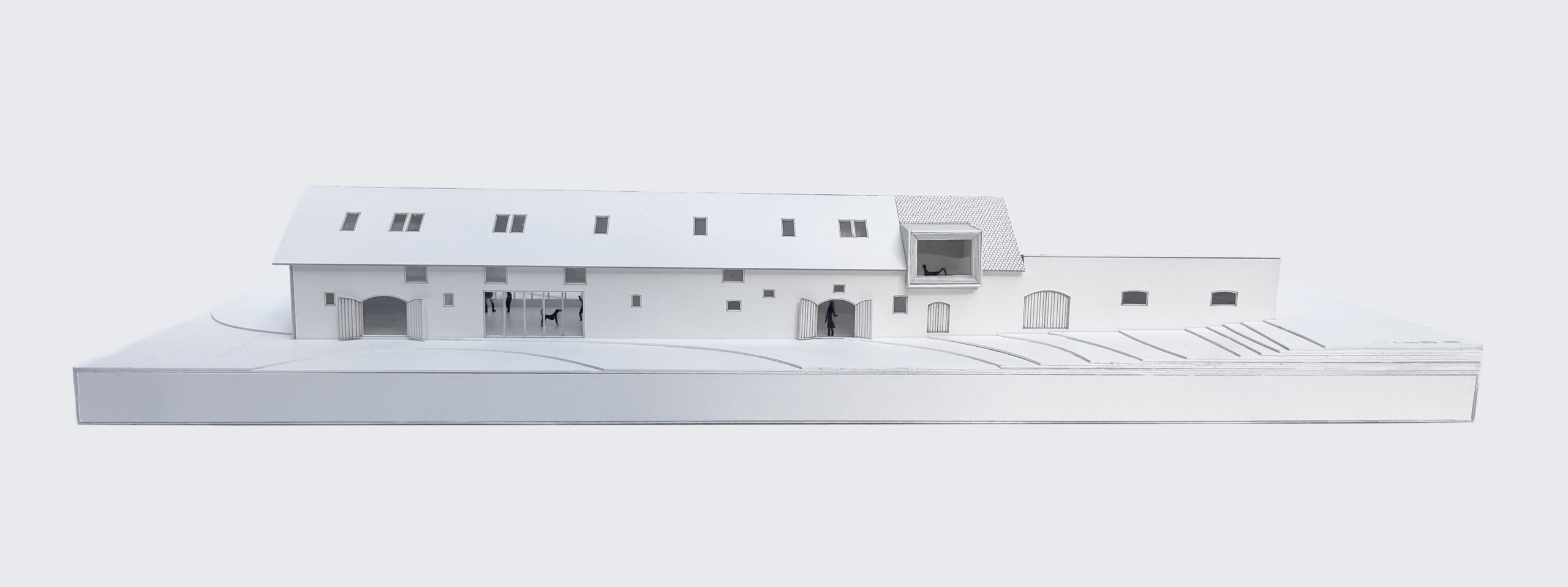
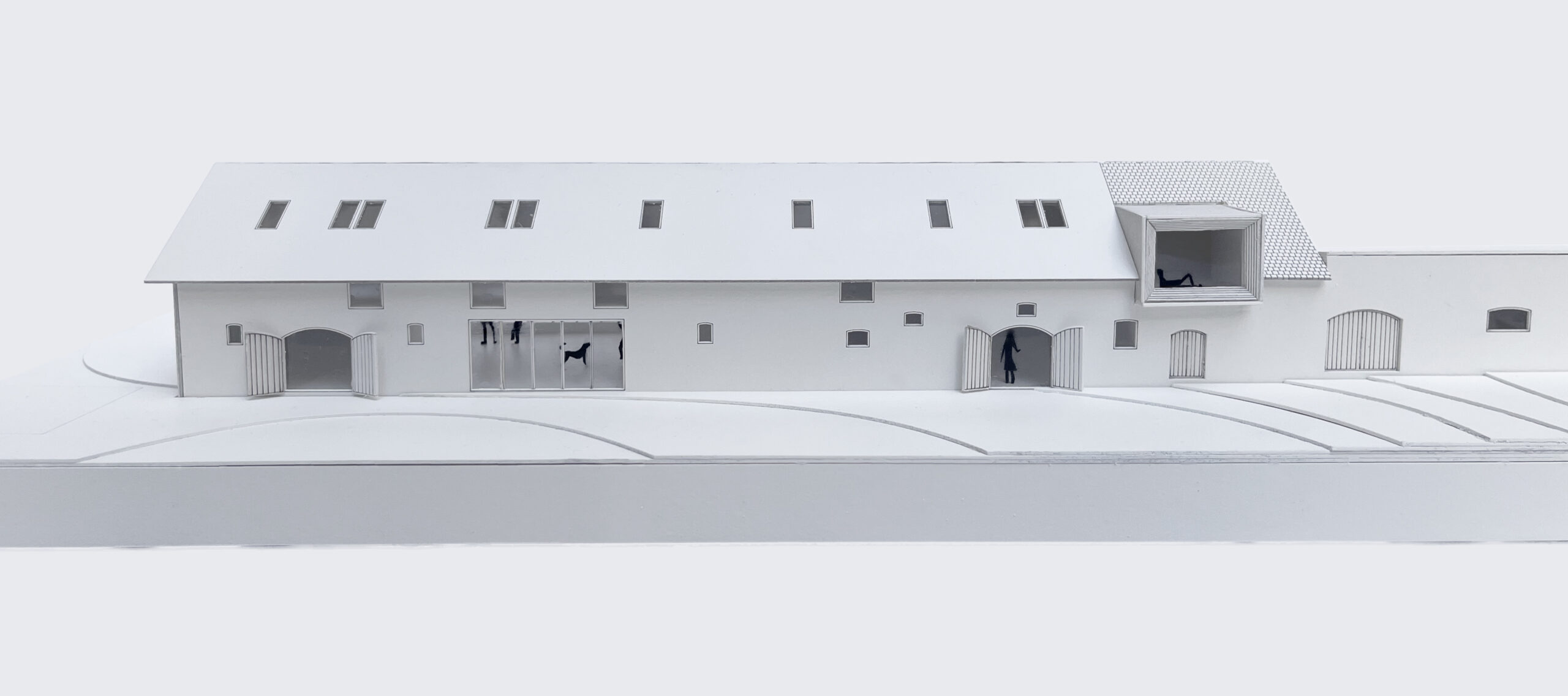
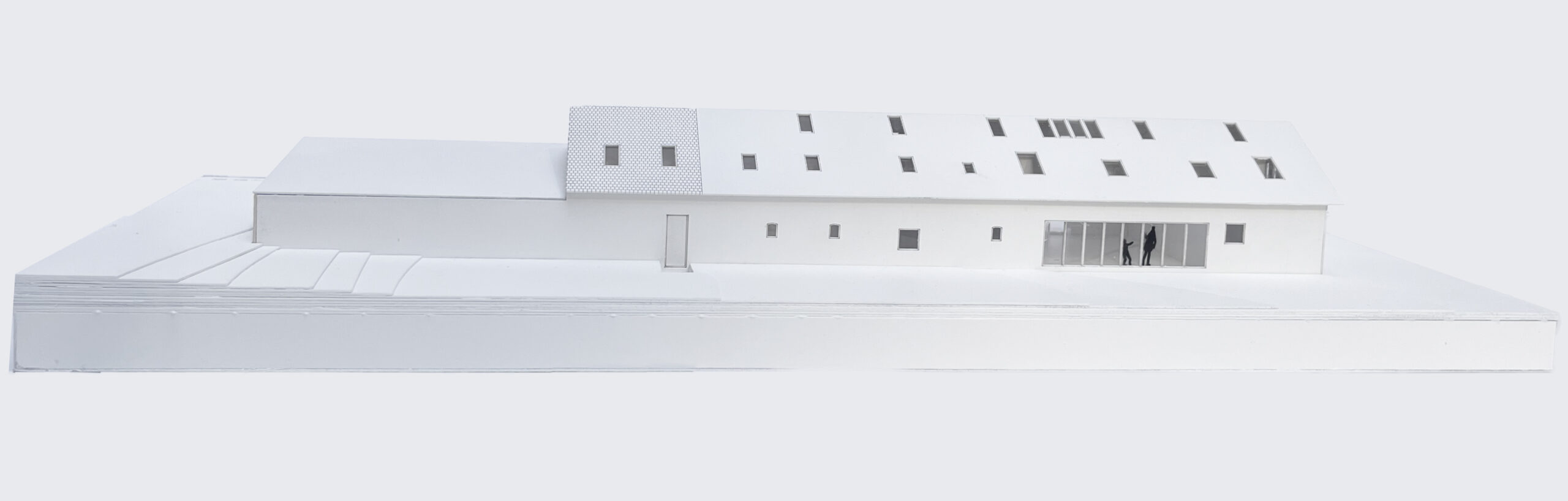
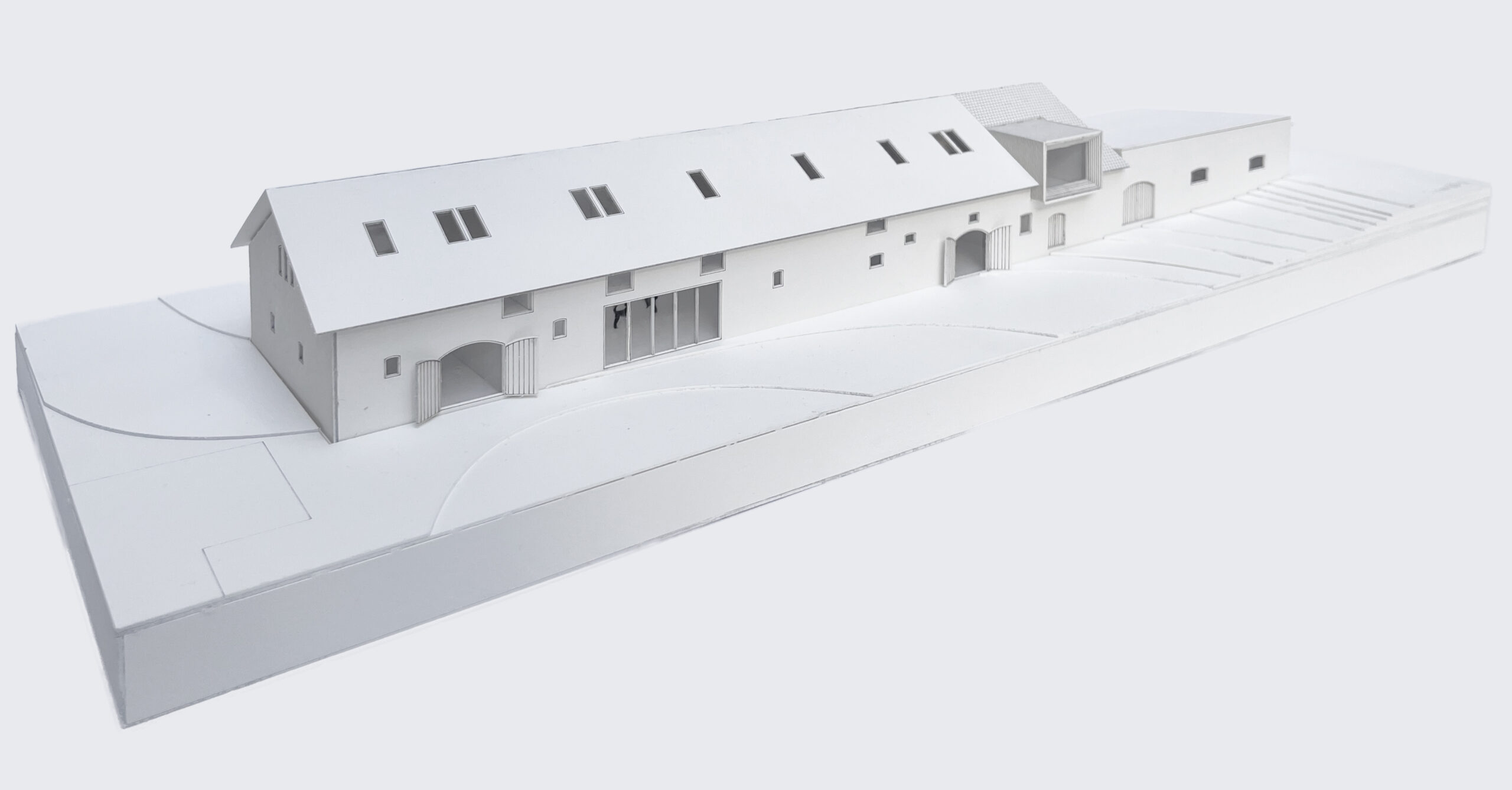
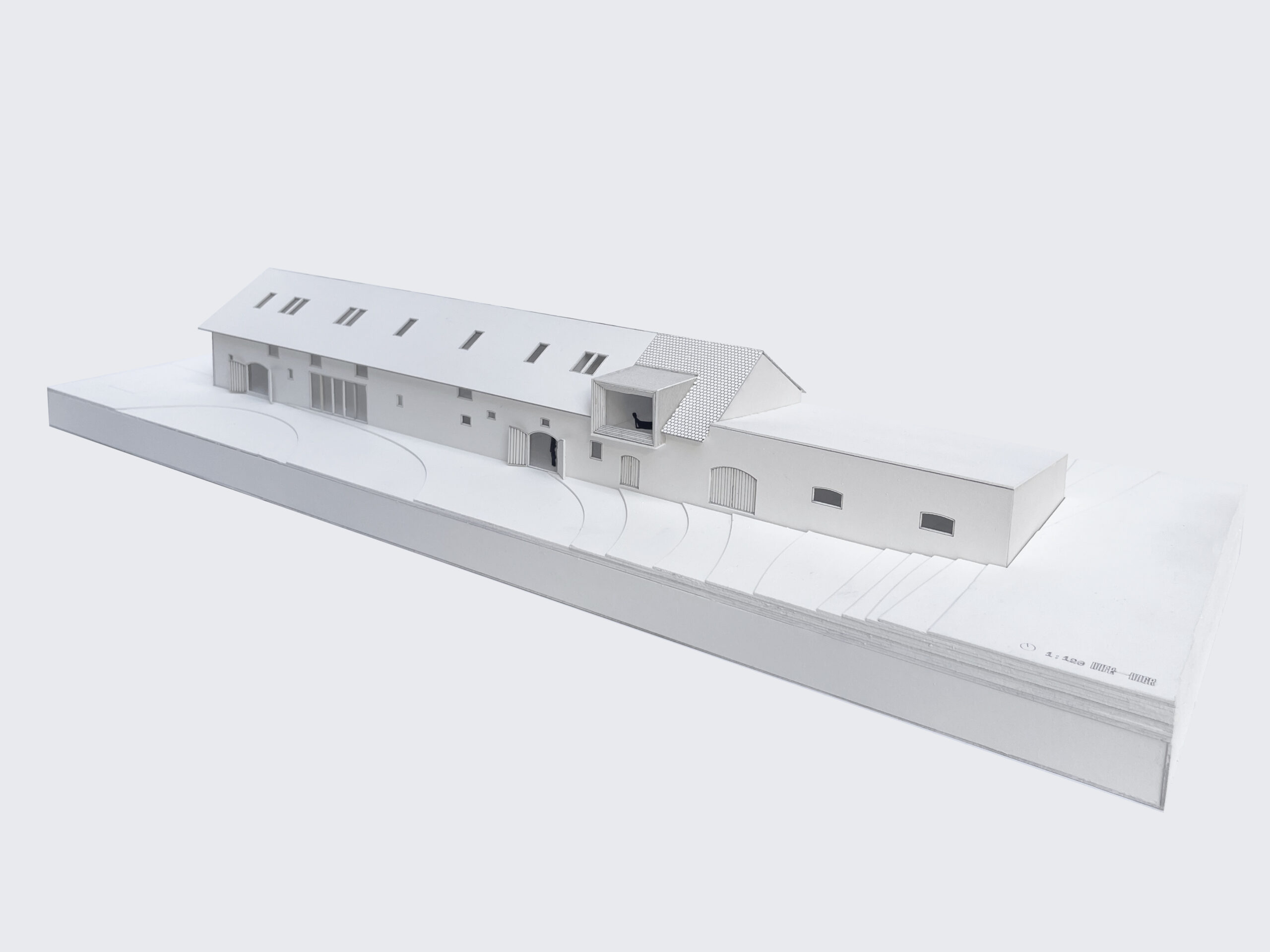
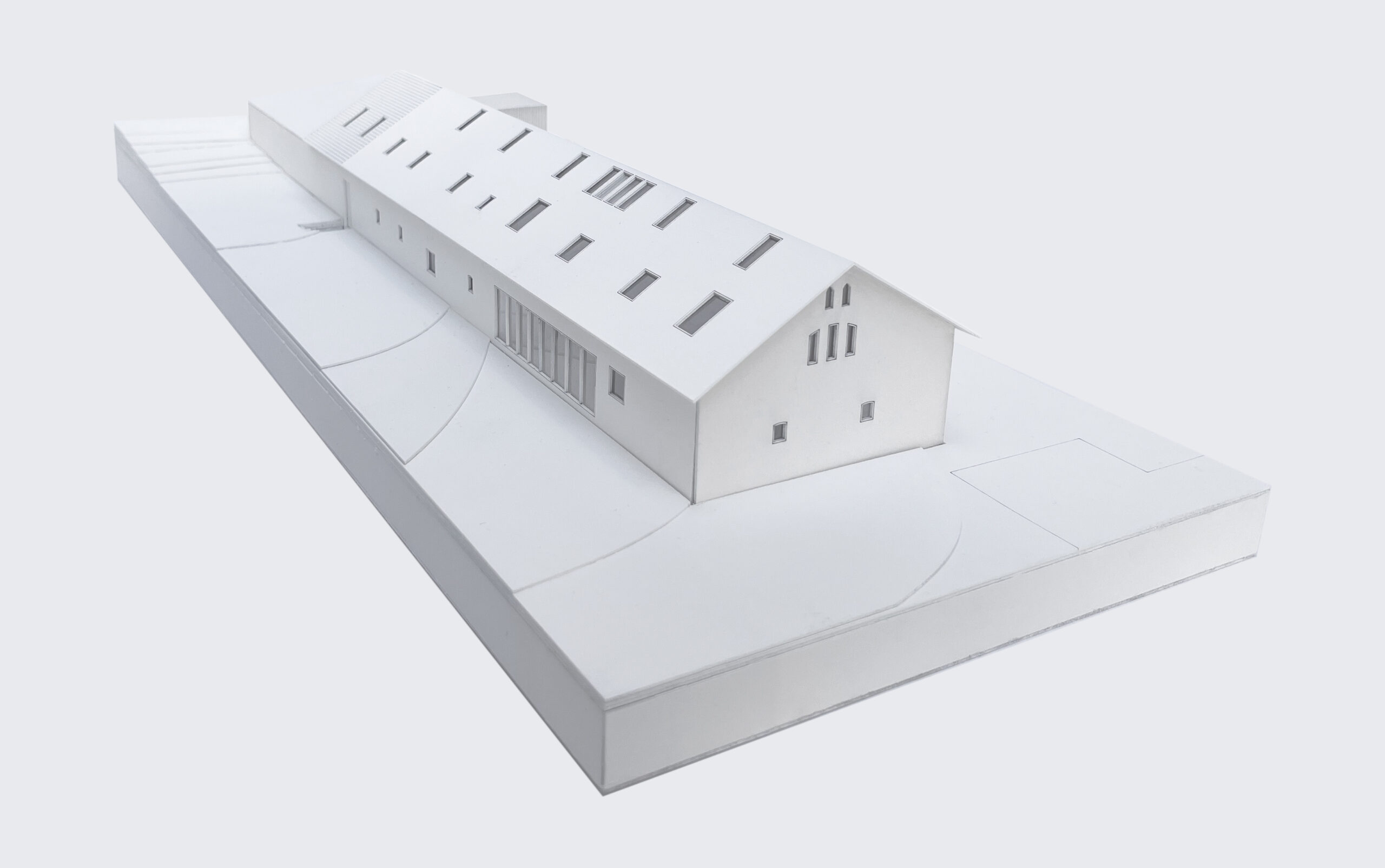
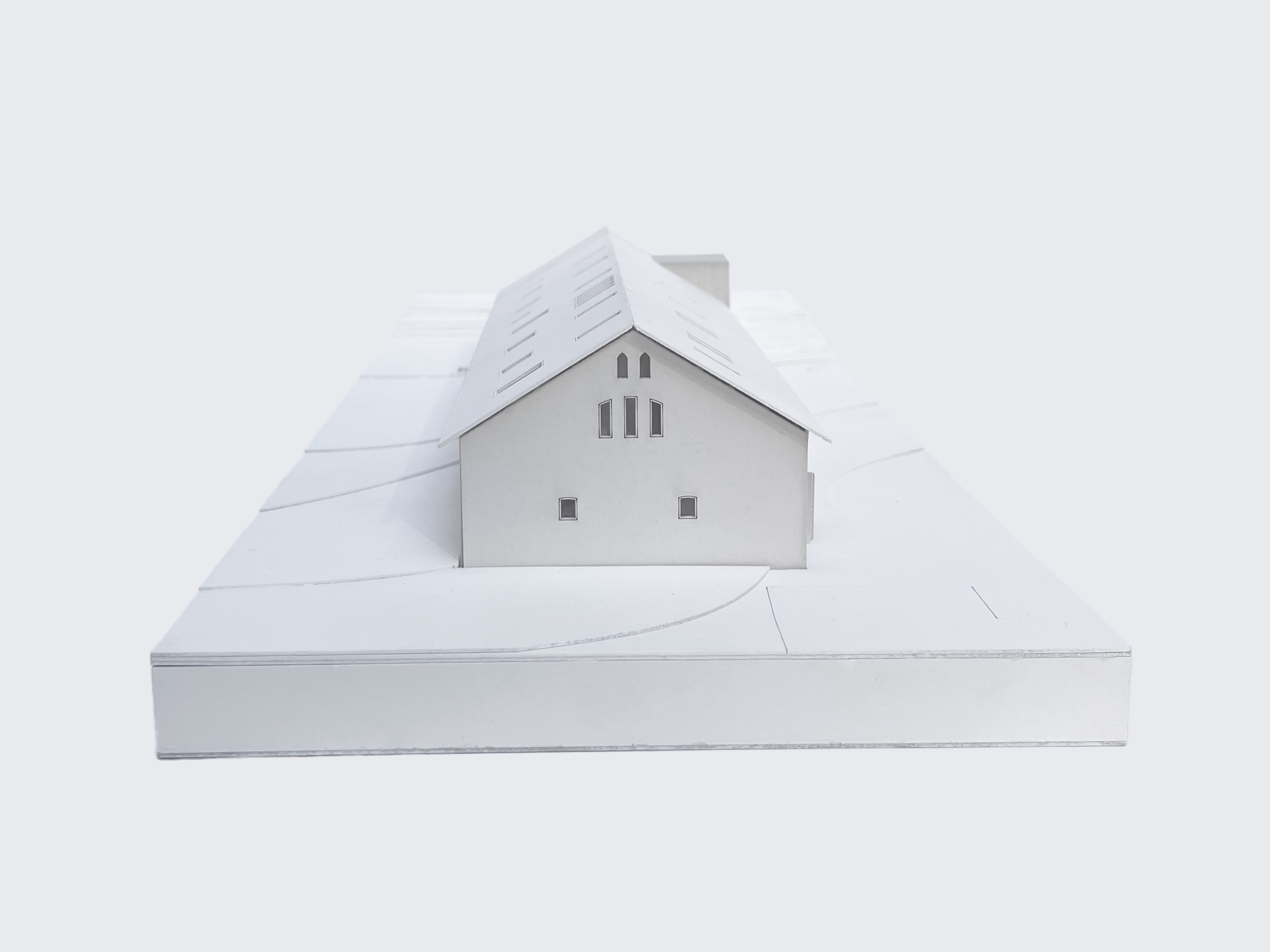
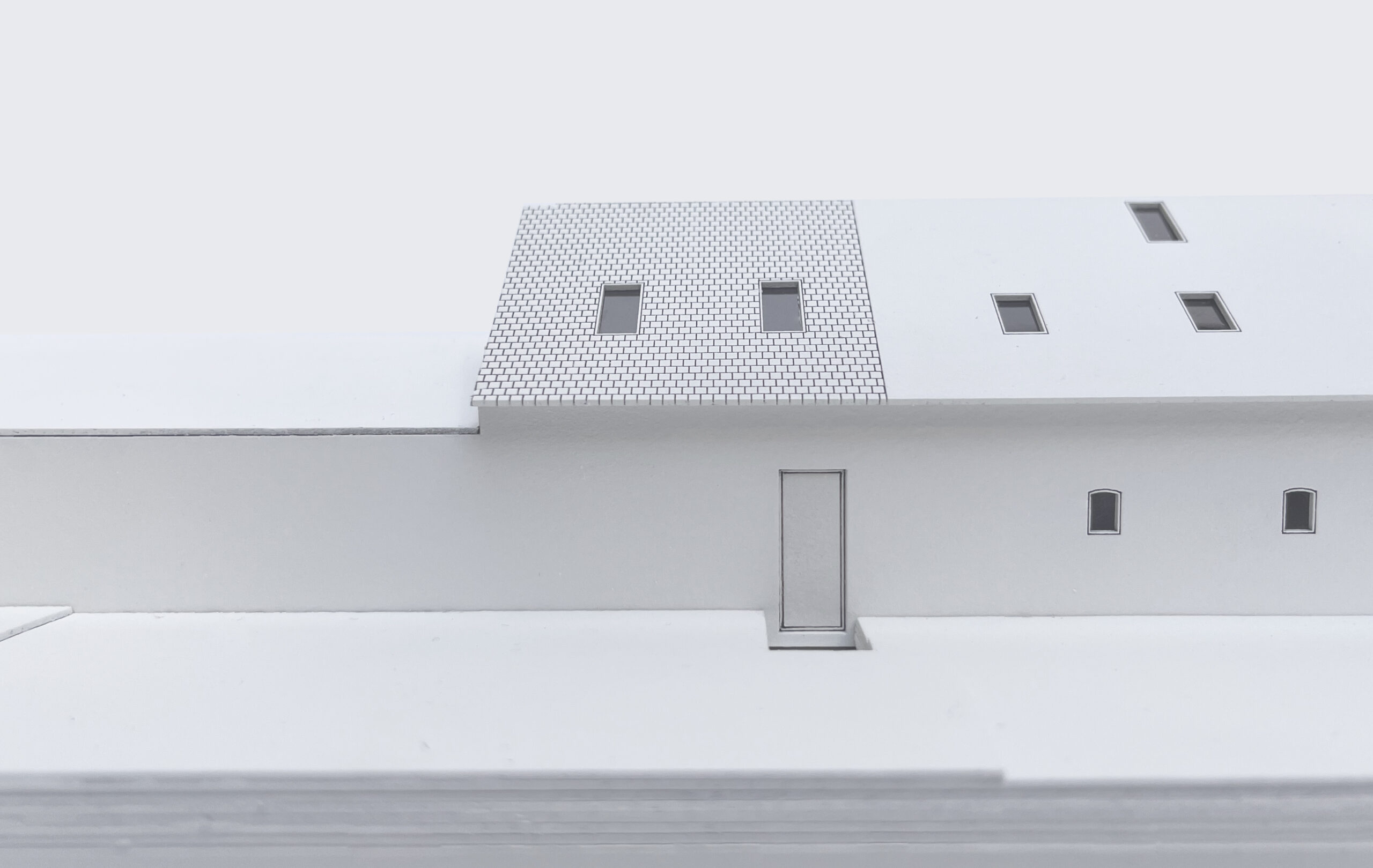
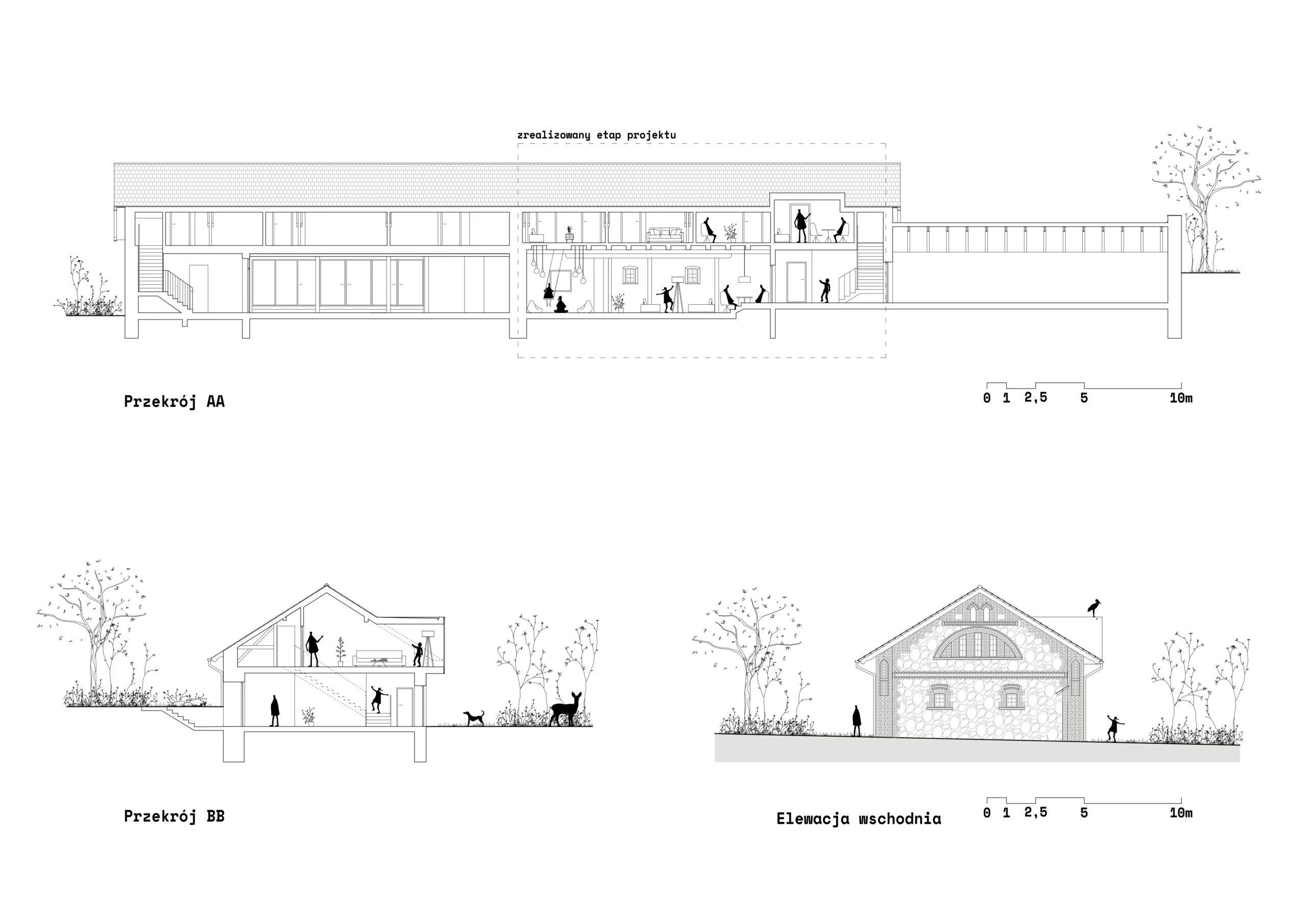
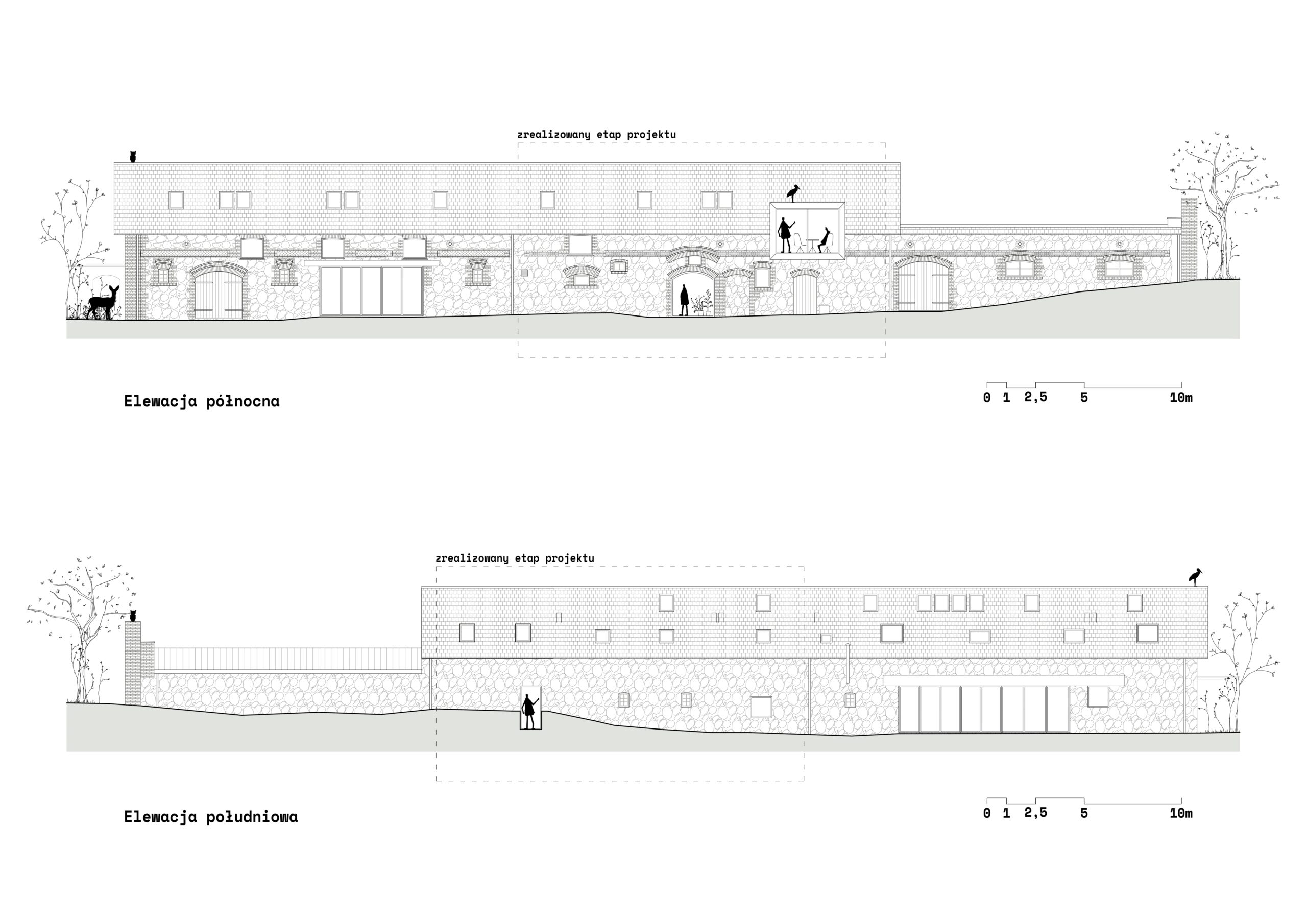
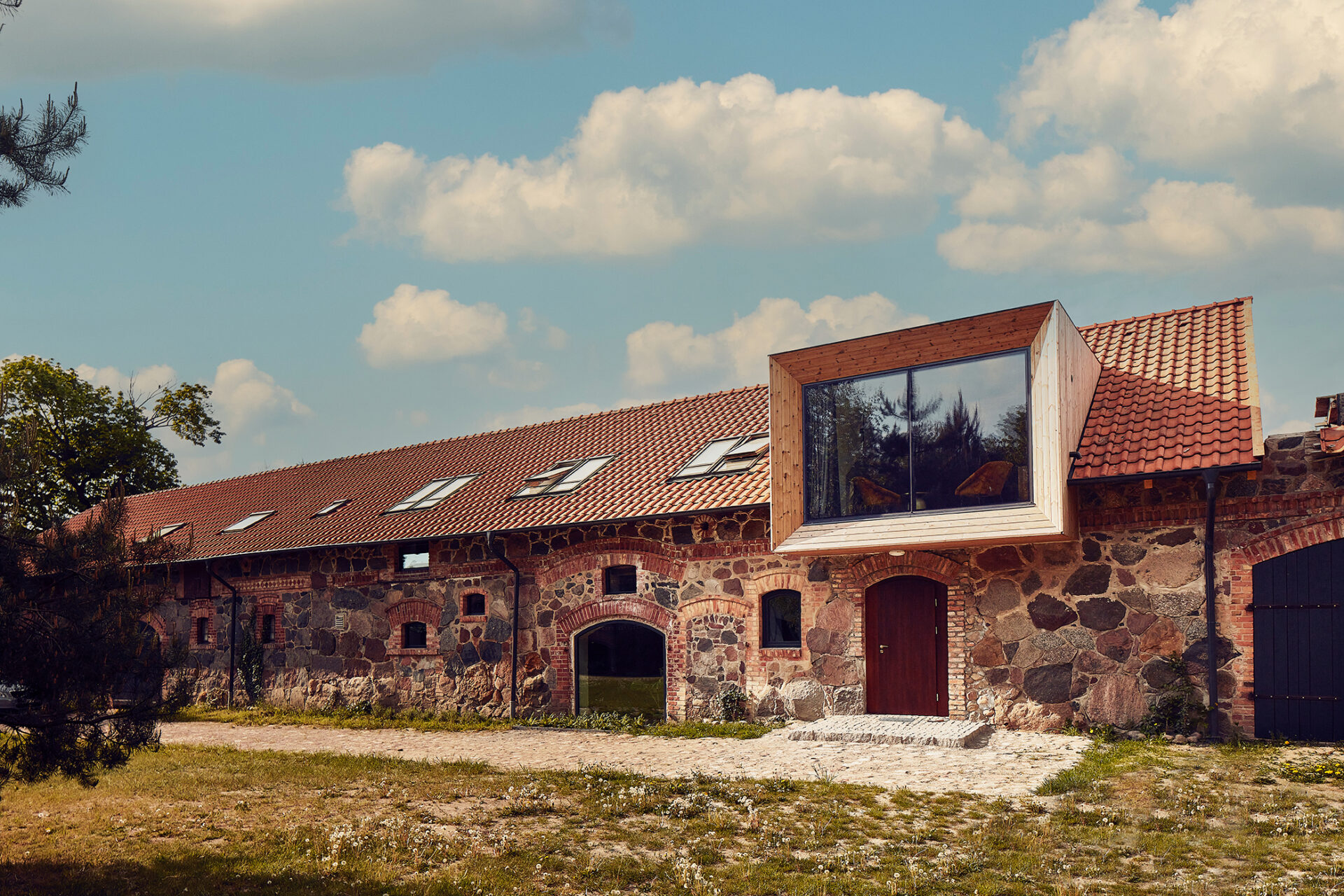
The design is distinguished by a contemporary bay window with large glazing. The rest of the exterior was carefully restored, including replacement of the windows and roofing.
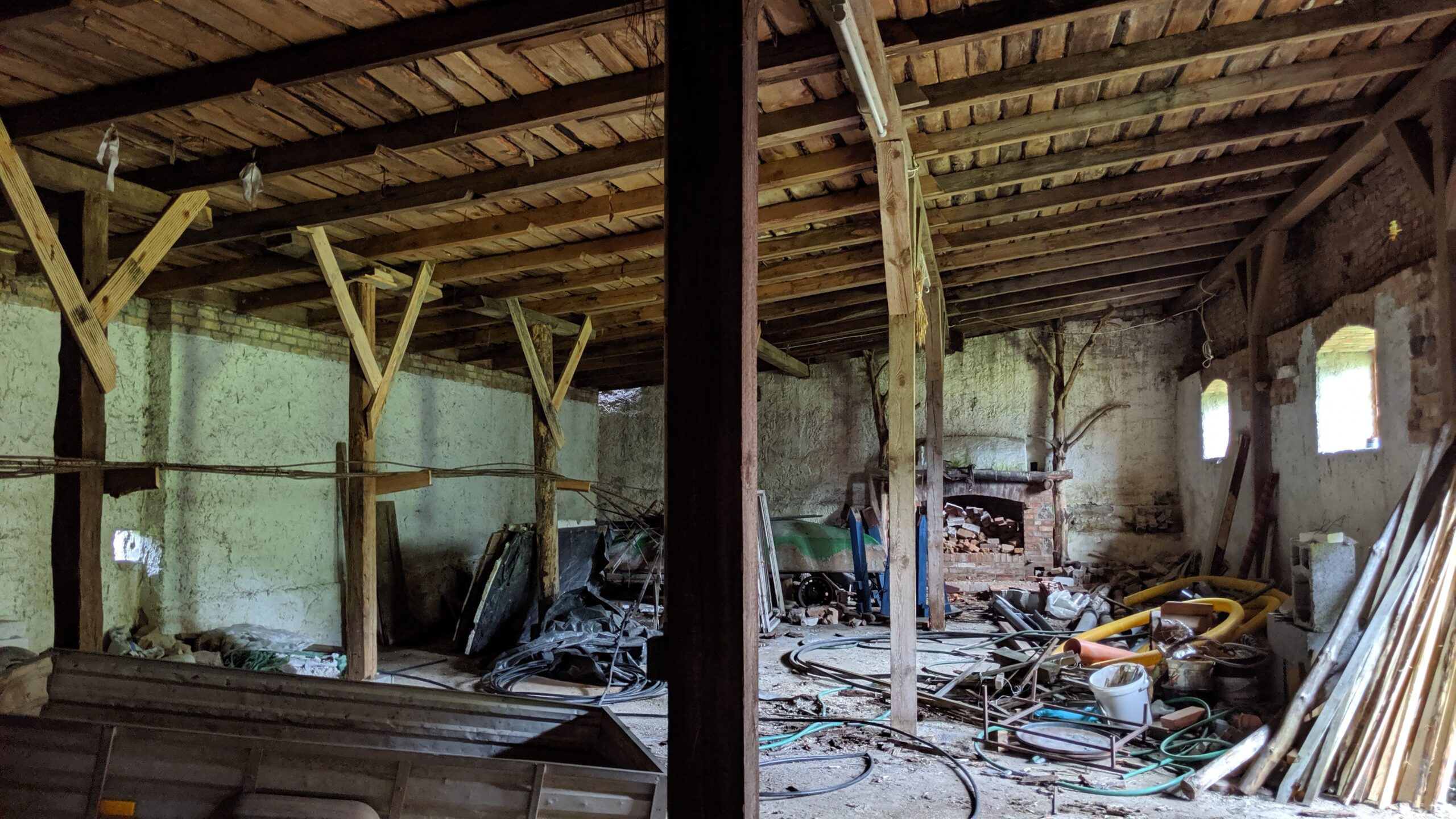
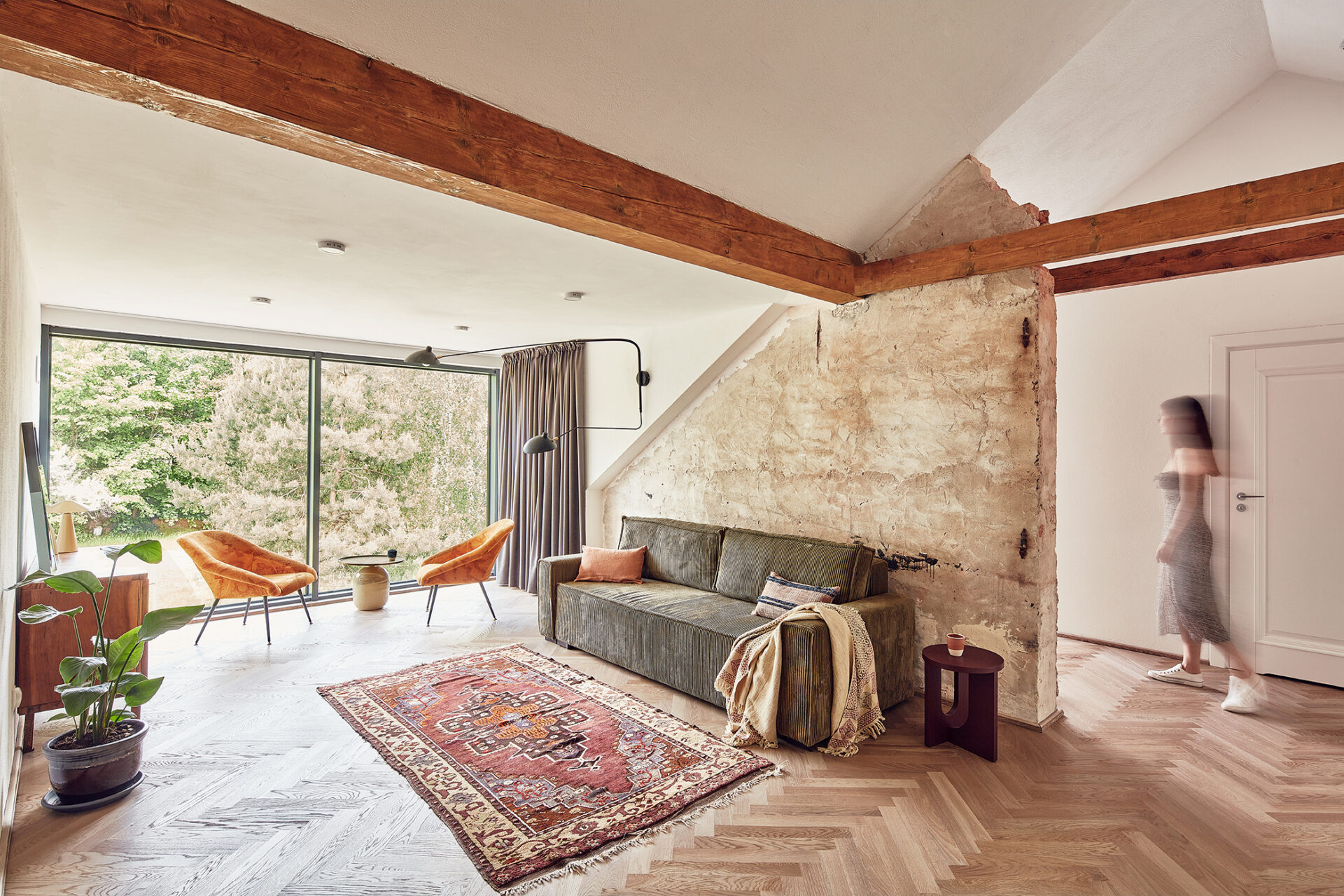
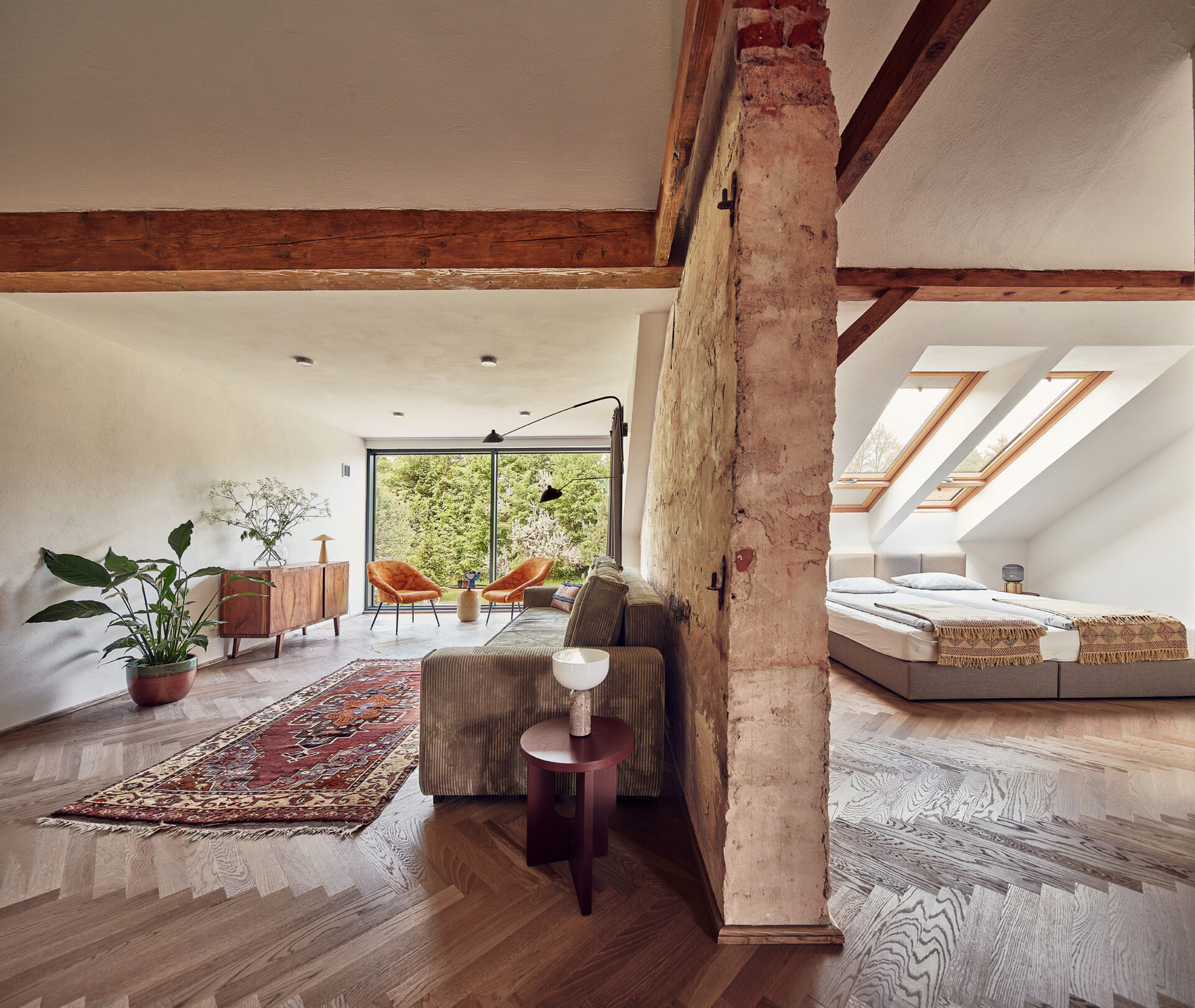
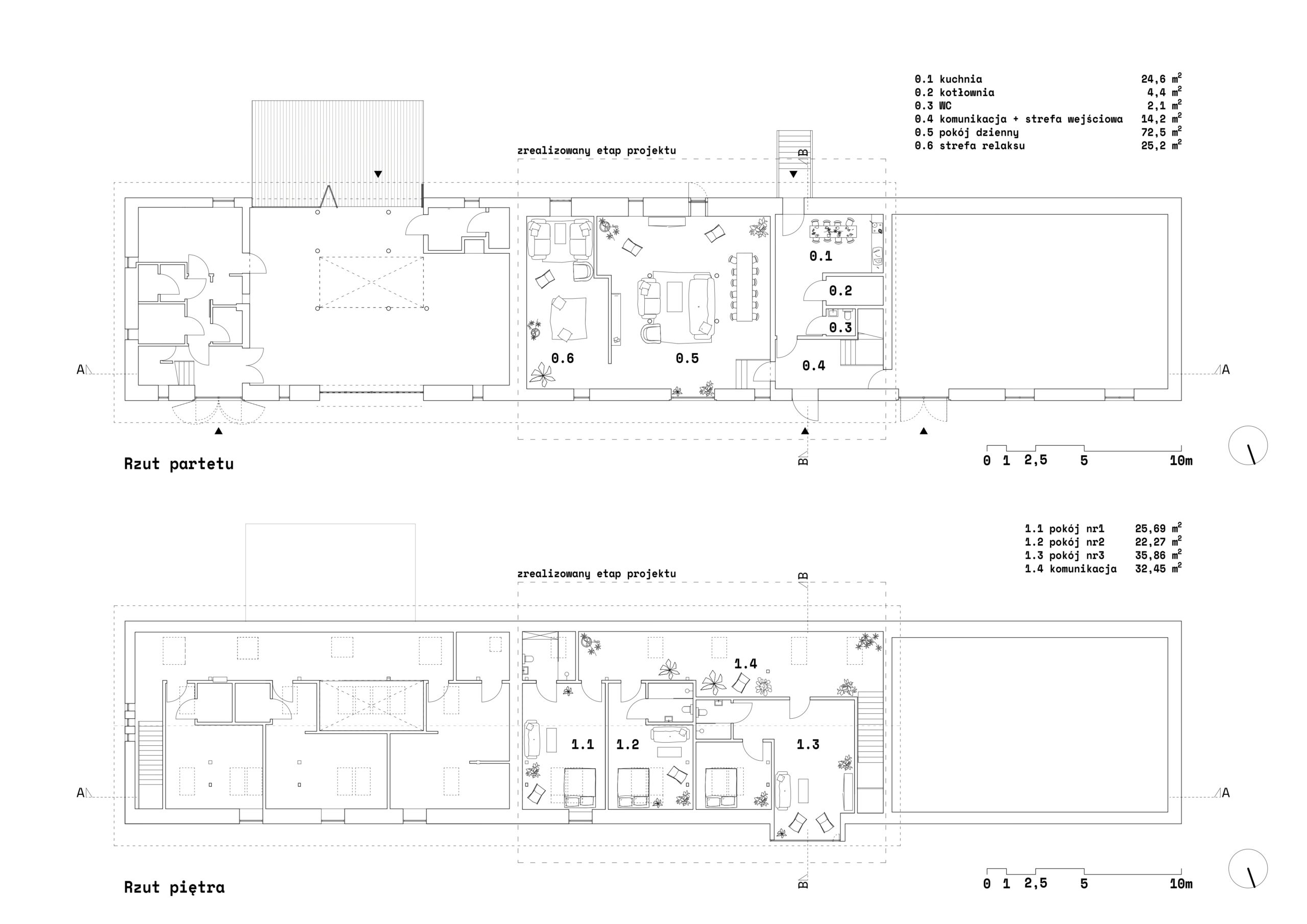
The main changes were introduced inside the building, which was a considerable challenge given the constraints of the historic footprint. Particularly in maintaining proportions and materials of the overall form. We added a staircase and carefully planned the wall layout to accommodate the rooms required by the investors.
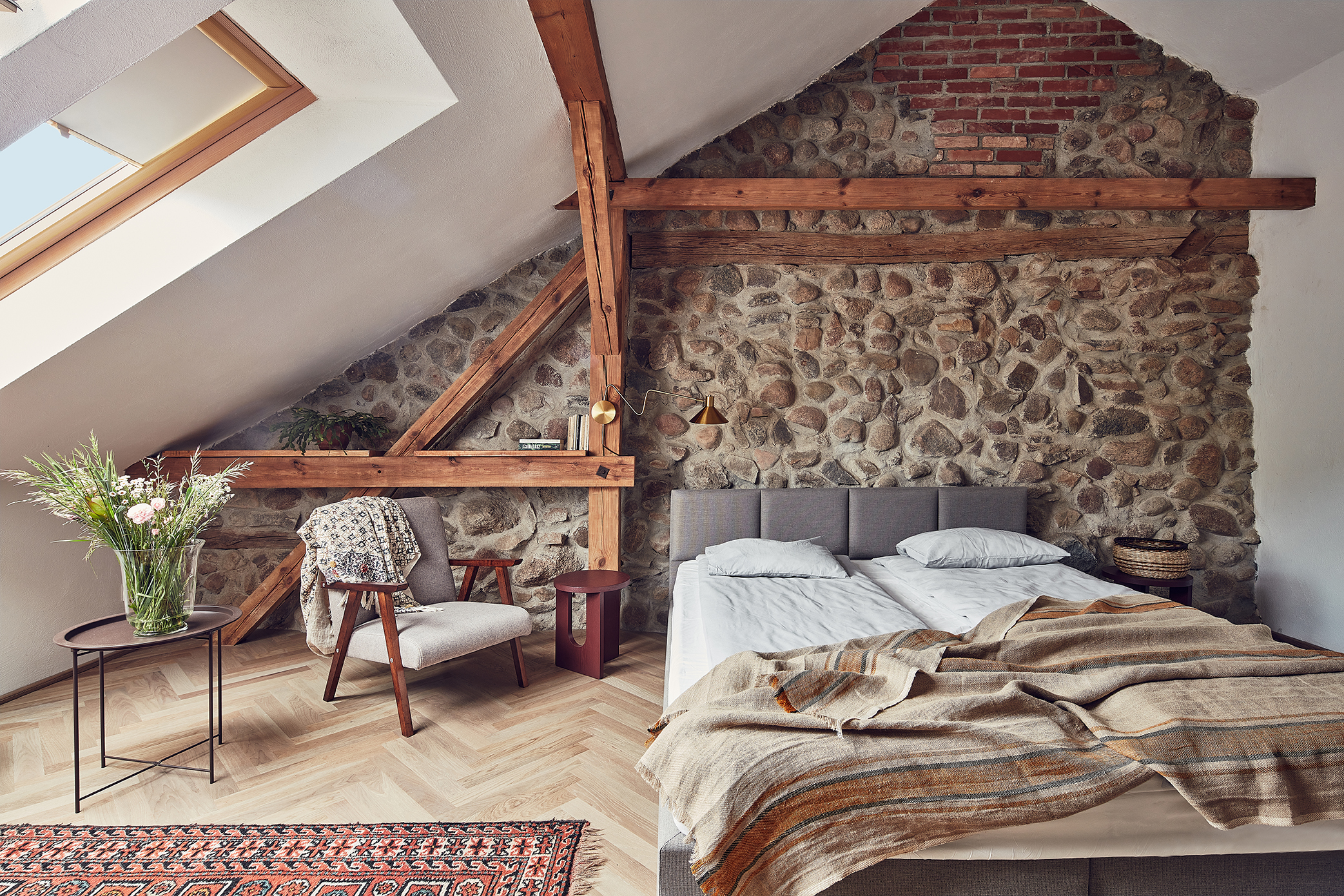
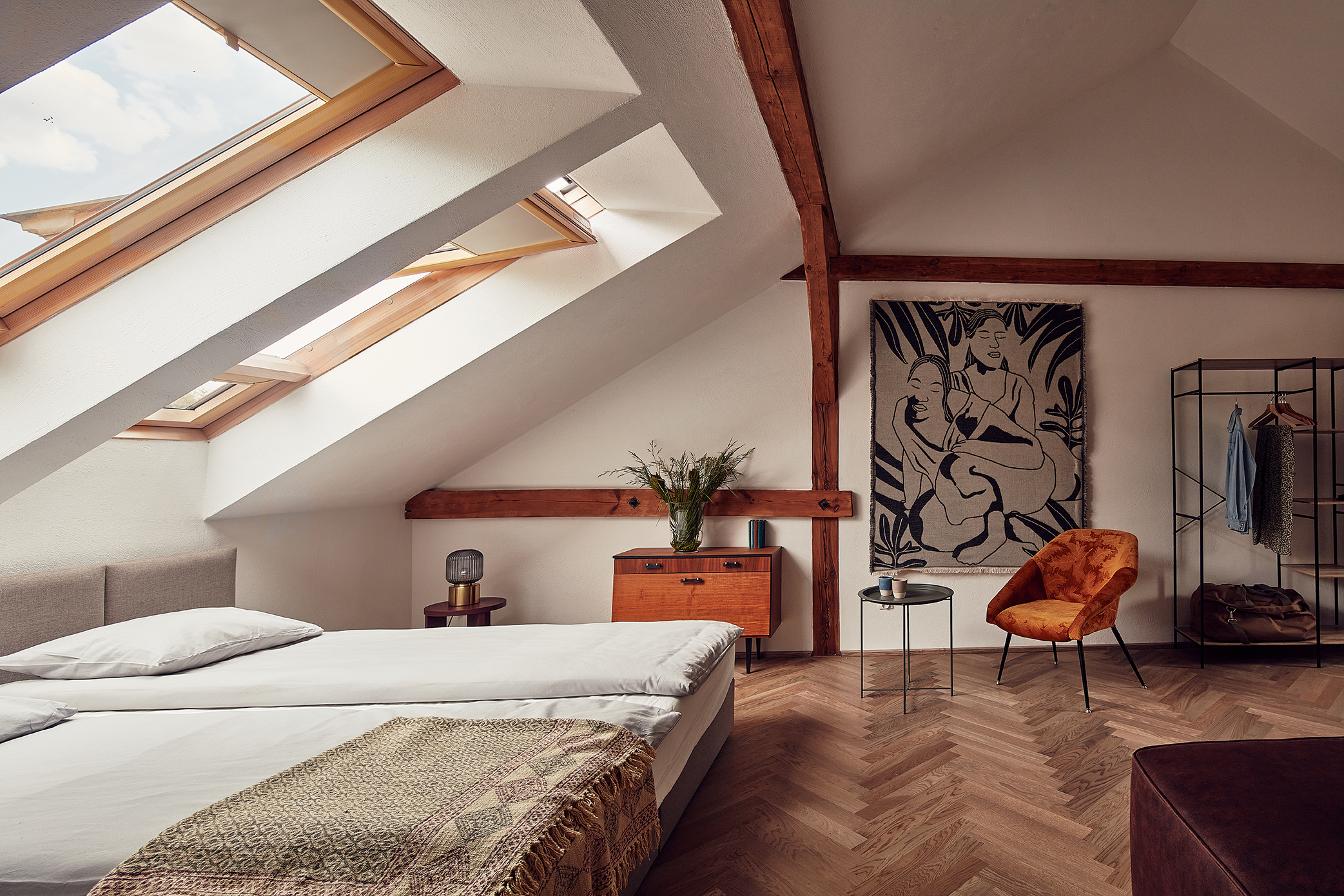
In some areas, roof skylights were added.
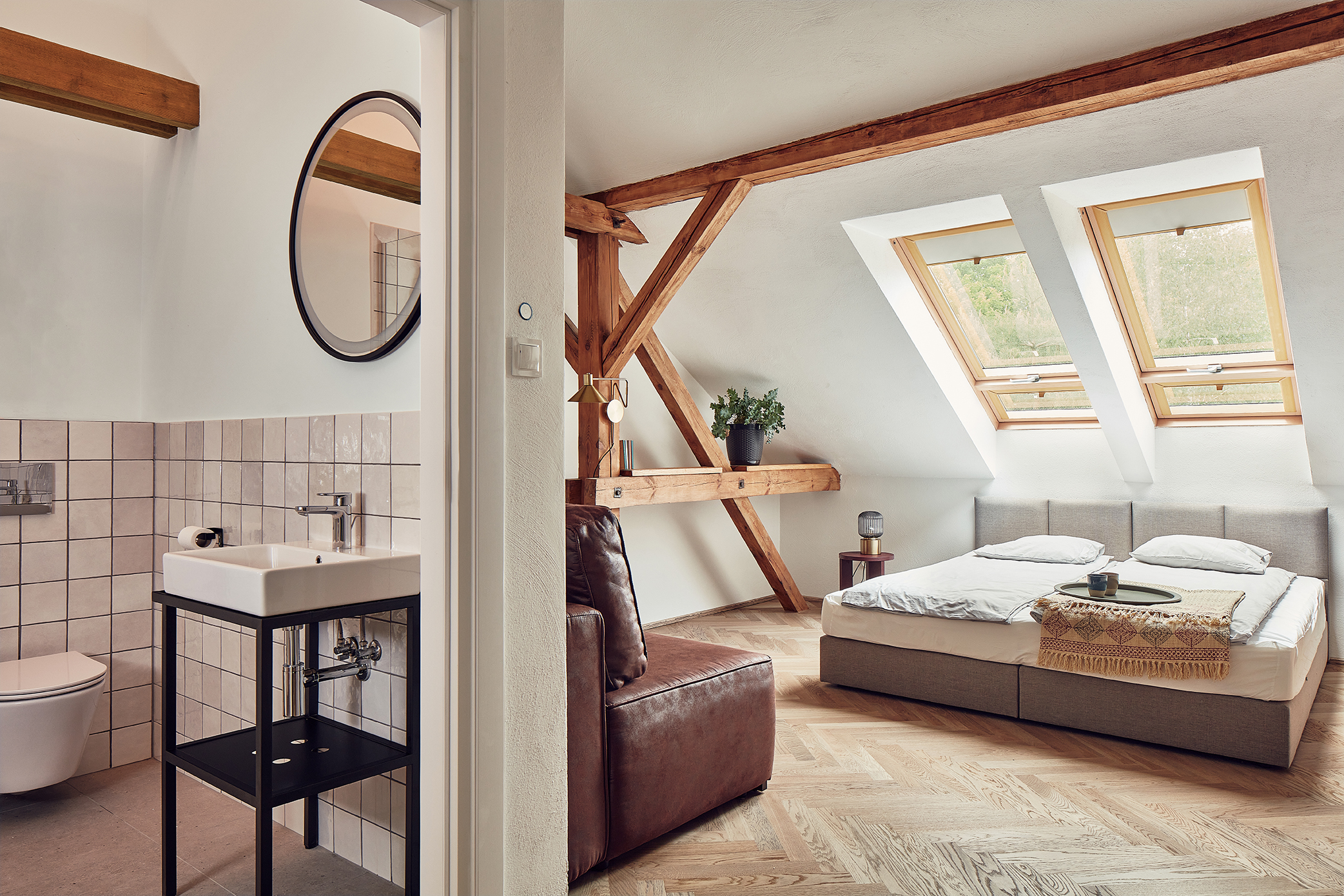
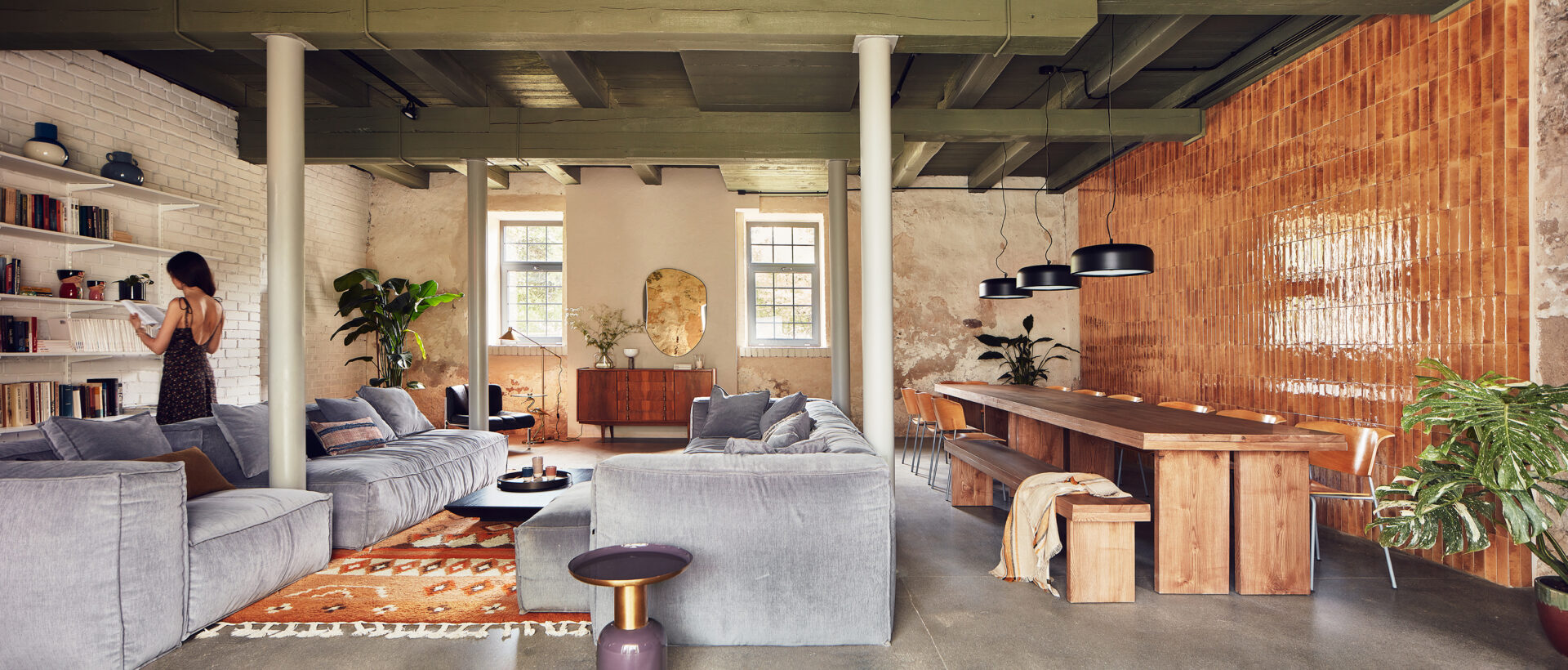
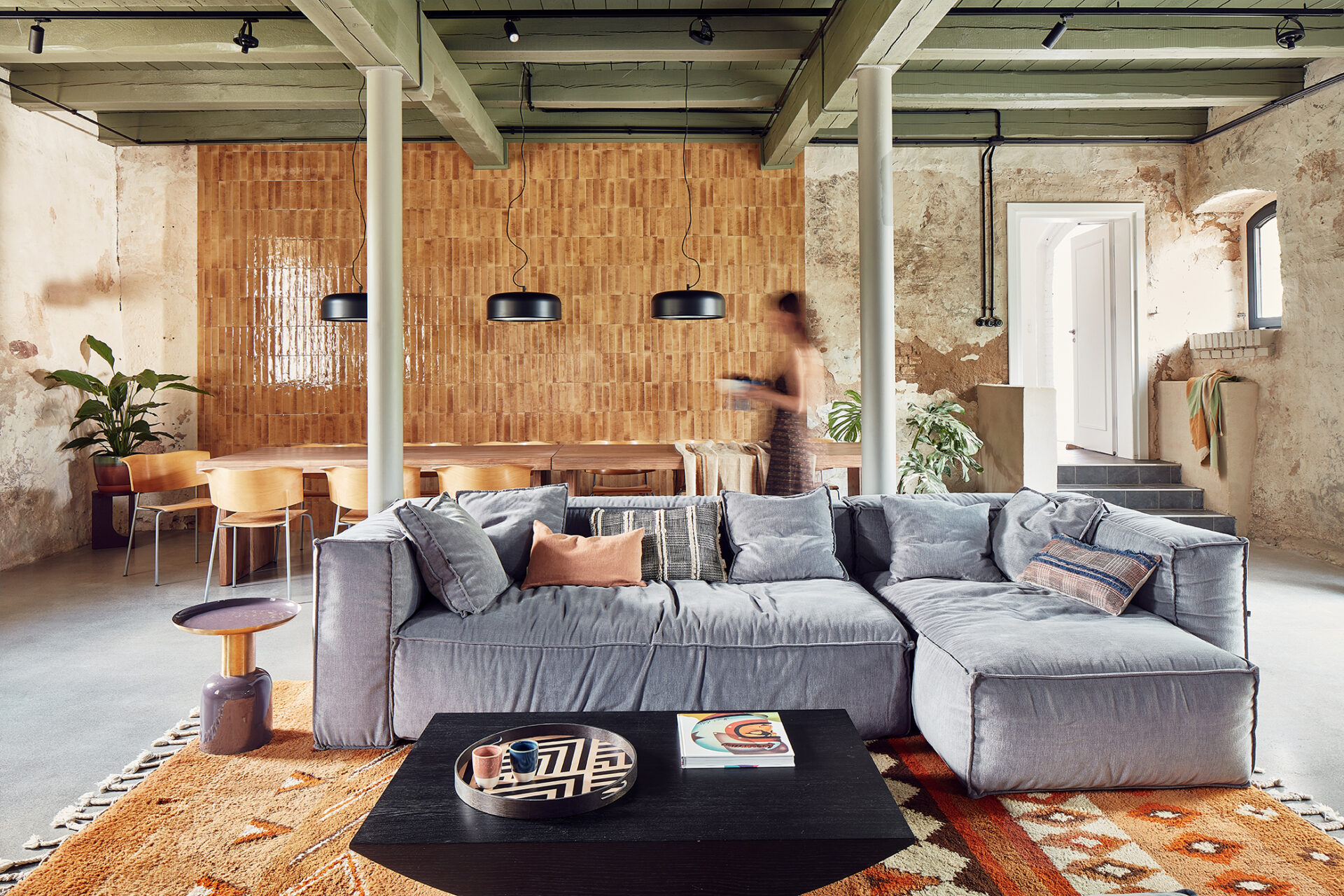
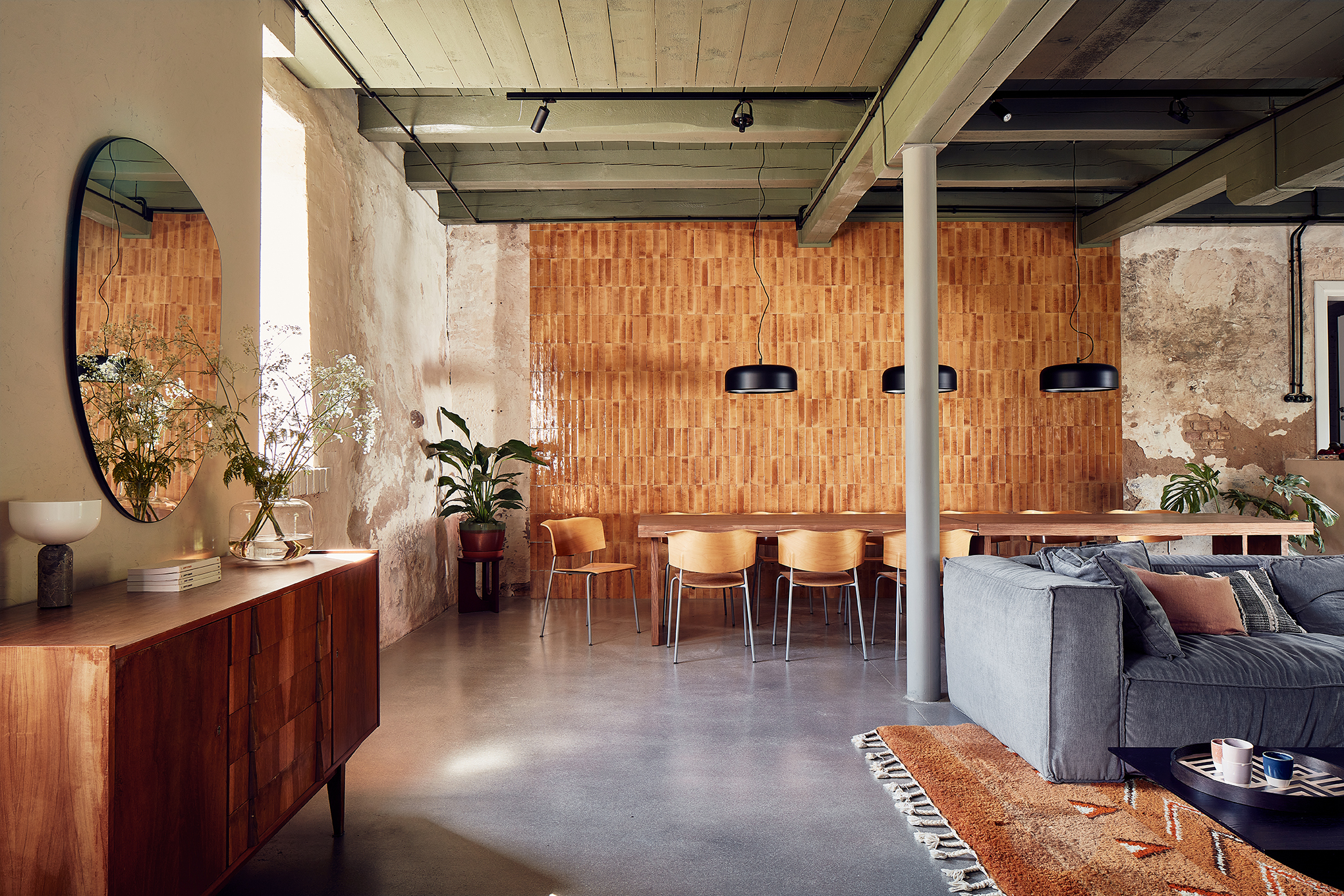
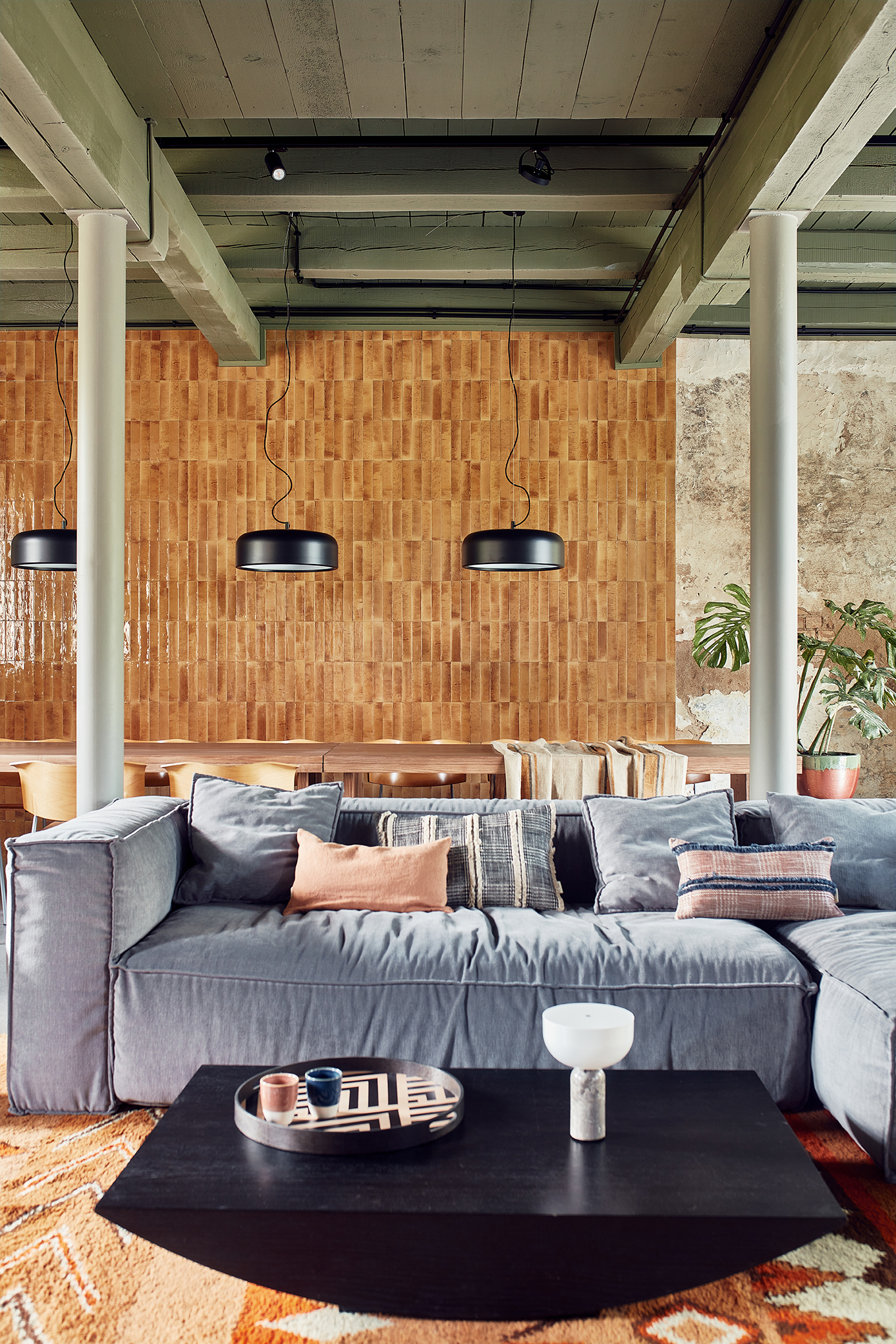
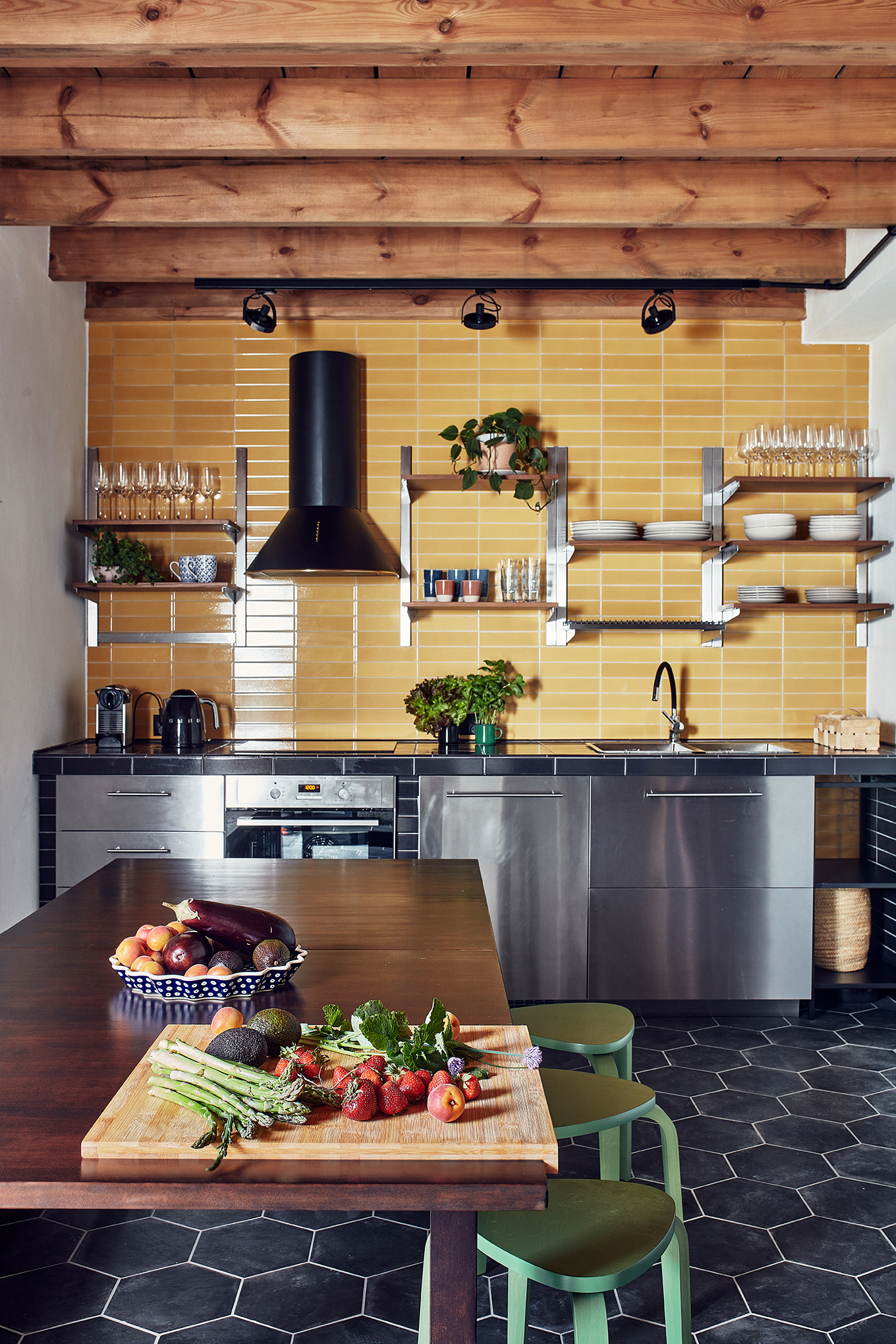
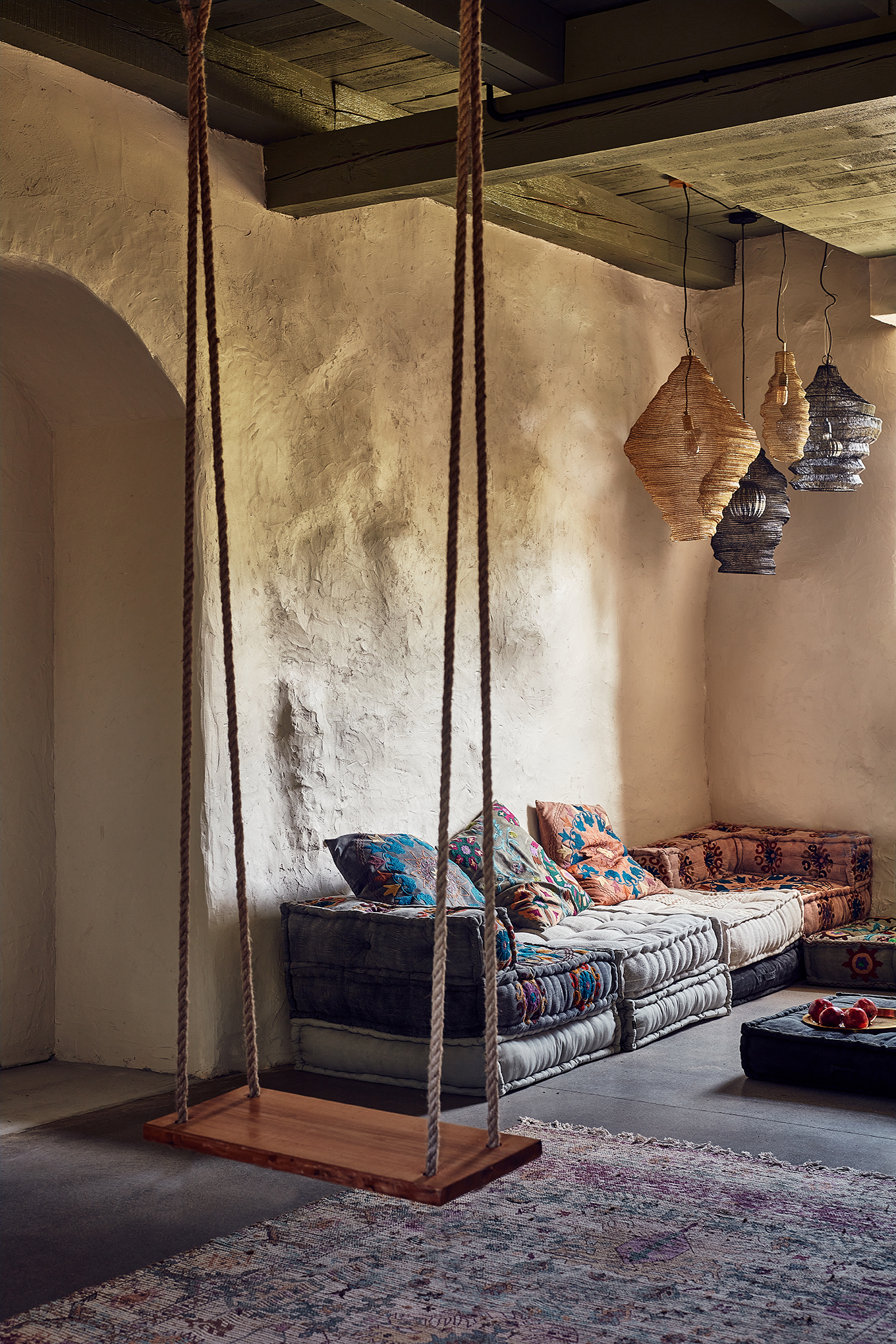
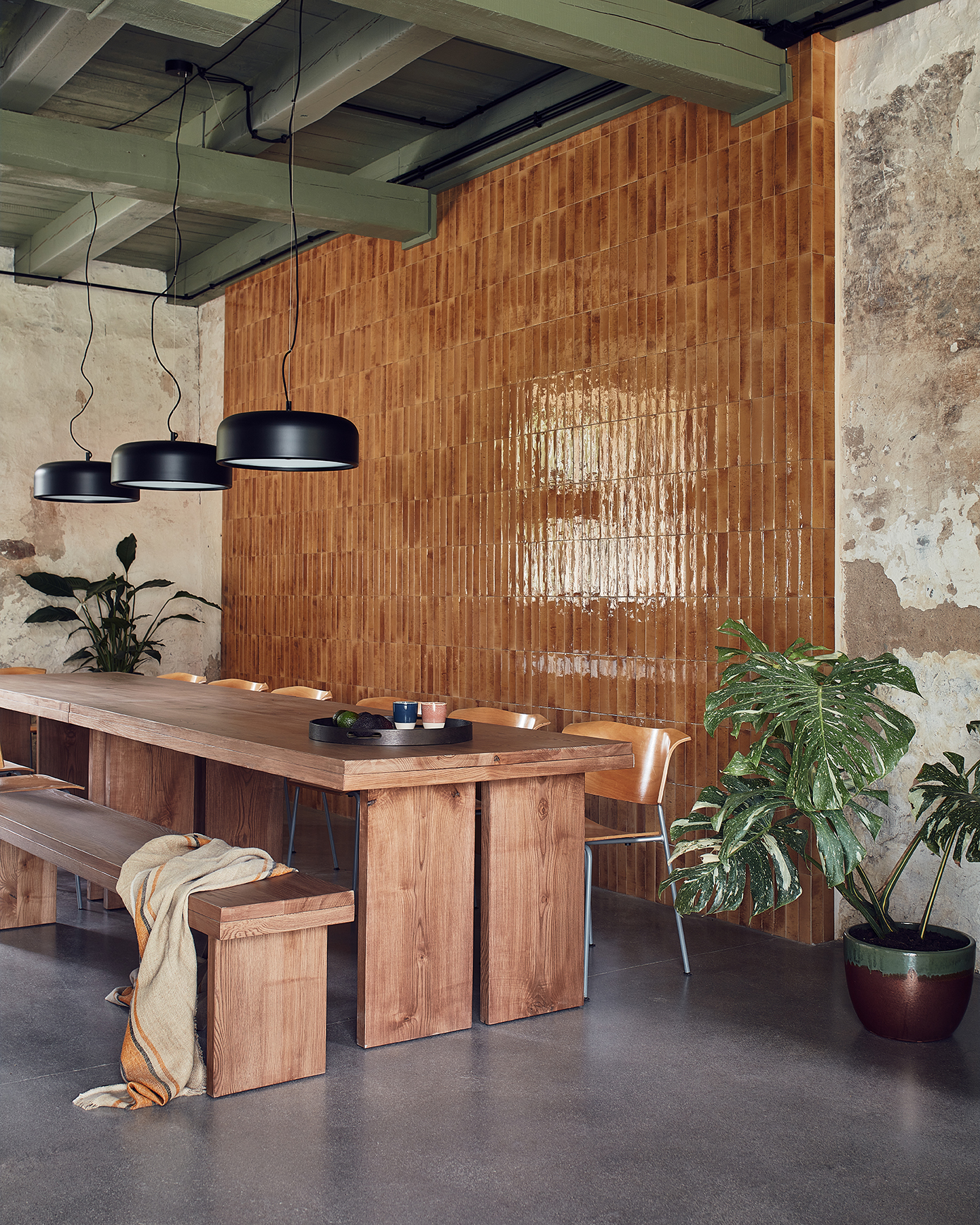
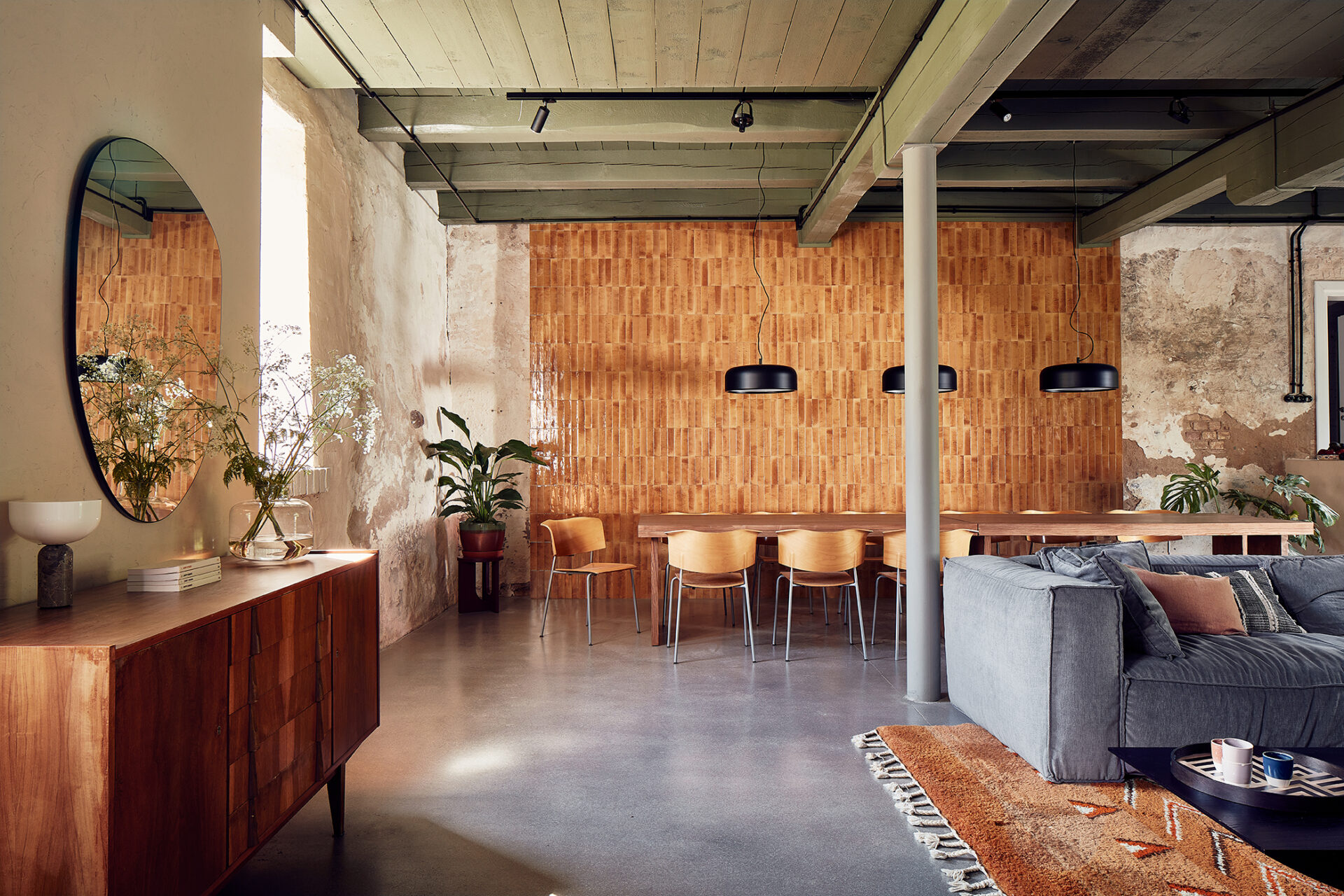
As a result, a residential building was created within a former German farm structure, fitting naturally into the existing atmosphere. Original elements were preserved, such as ceilings and plastered walls, which naturally produce a “wabi-sabi” effect – embracing imperfection and natural beauty. The former stable is now a comfortable house with three guest rooms and two living areas, and its modern form stands out among similar revitalization projects in Poland.


 Previous project